 English


News


How Does a Plastic Recycling Machine Work?
2026-08-28 19:08:22
Plastic recycling machines are designed to transform waste plastic into reusable materials such as clean plastic flakes, regrind, or recycled plastic pellets. Rather than relying on a single machine, most industrial recycling systems combine several pieces of equipment that work together in sequence.
So, how does a plastic recycling machine work? In a typical mechanical recycling process, waste plastic is first sorted and reduced in size. It is then washed to remove contaminants, dewatered and dried, and finally melted, filtered, and formed into recycled pellets. The exact process depends on the type of plastic, its contamination level, and the required quality of the final material.
How Does a Plastic Recycling Machine Work Step by Step?
Although recycling systems vary according to the material being processed, a typical plastic recycling process can be summarized as:
Sorting → Shredding/Crushing → Washing → Separation → Dewatering → Drying → Extrusion → Filtration → Pelletizing
Each stage has a specific purpose. Removing contamination before melting is especially important because dirt, moisture, paper, metal, and incompatible plastics can affect the quality and stability of recycled material.
1. Plastic Waste Is Sorted Before Processing
The recycling process generally begins with sorting. Waste plastic can contain different polymers, colors, labels, metals, paper, food residue, and other contaminants.
The goal of sorting is to separate suitable plastic materials from unwanted materials and, where necessary, separate different types of polymers from each other.
This step is important because different plastics have different physical and thermal properties. For example, PET, HDPE, PP, and LDPE cannot always be processed using the same recycling configuration.
Depending on the recycling plant, sorting may involve manual inspection, conveyors, metal separation, density separation, or automated sorting technologies.
2. The Shredder Reduces Large Plastic Waste
After sorting, large or bulky plastic waste enters a shredder or other size-reduction equipment.
A Plastic Shredder uses rotating blades to cut, tear, or shear larger pieces of plastic into smaller pieces. Materials such as plastic film, pipes, woven bags, pallets, containers, and large plastic lumps may require this initial size reduction before they can enter downstream equipment.
Reducing the material size makes it easier to transport, wash, separate, and process. It can also help provide a more consistent feed for the next stage of the recycling line.
3. A Crusher or Granulator Produces Smaller Flakes
Some recycling lines use a crusher or granulator after the primary shredder.
The granulator further cuts the shredded plastic into smaller and more uniform flakes. The final particle size is usually controlled by the screen installed inside the machine.
A consistent flake size is useful because it allows the material to move more evenly through washing, drying, and other downstream processes.
Not every recycling line needs both a shredder and a granulator. Clean and relatively small plastic scrap may be processed using only one size-reduction stage, while bulky or irregular waste may require both.
4. Washing Machines Remove Contaminants
Once the plastic has been reduced to smaller pieces, it may enter a washing system.
Plastic waste can contain soil, sand, food residue, oil, labels, adhesives, paper, and other contaminants. Washing equipment uses water and mechanical action to remove these unwanted materials.
Depending on the material, a recycling line may include friction washers, rinsing tanks, hot washing systems, or other cleaning equipment.
For lightly contaminated industrial scrap, a relatively simple washing process may be sufficient. Heavily contaminated post-consumer plastic may require multiple washing stages.
5. Separation Removes Unwanted Materials
After or during washing, separation equipment can be used to remove contaminants or separate different materials.
One common method is sink-float separation. This process uses differences in material density to separate plastic particles in water. Materials with different densities behave differently in the tank, allowing certain plastics and contaminants to be separated.
For example, density separation can be useful in PET bottle recycling, where PET flakes and lighter PE or PP components such as caps can be separated based on their density.
6. Dewatering Removes Excess Water
After washing, plastic flakes and films usually contain a considerable amount of water. Before the material enters the extrusion or pelletizing stage, excess moisture needs to be removed to improve processing stability and final product quality.
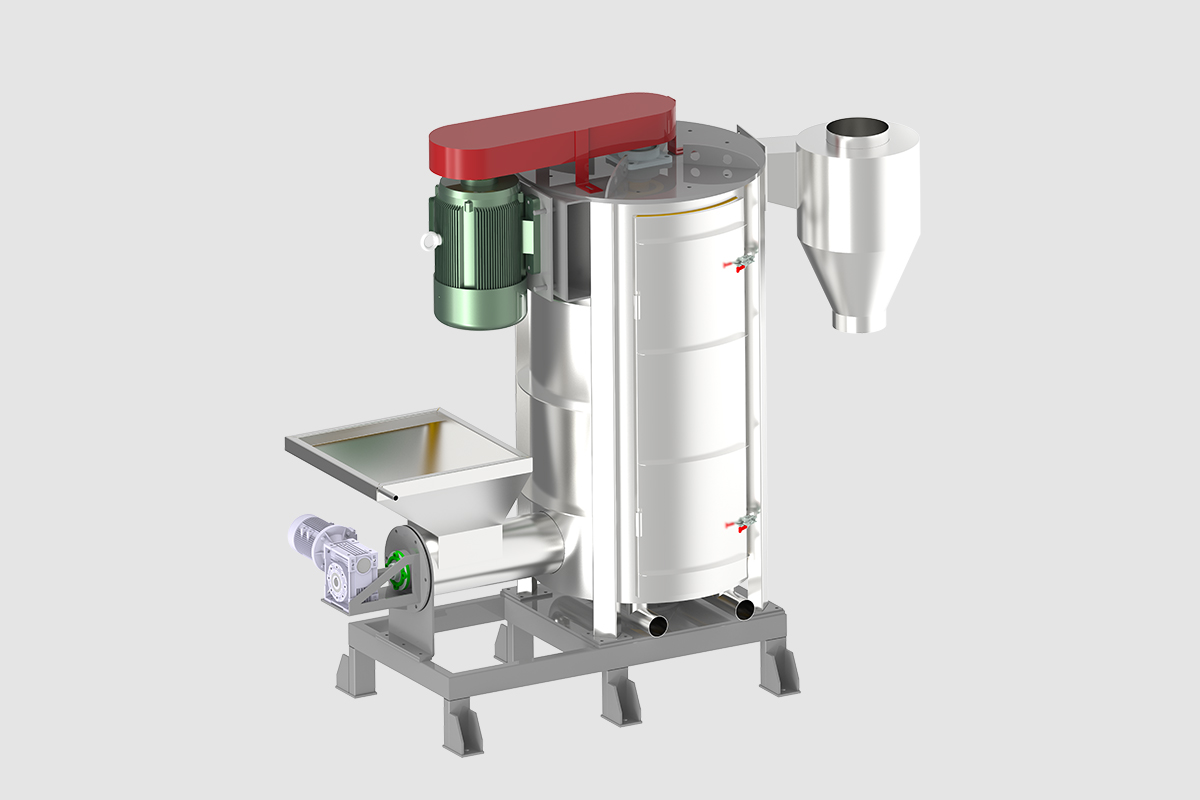
A Horizontal Centrifugal Dryer is commonly used for this purpose. It uses high-speed rotation and centrifugal force to separate water from washed plastic materials. As the wet plastic moves through the machine, water passes through the perforated screen while the plastic continues toward the next processing stage.
For recycling plants looking for reliable Plastic recycling machines, a horizontal centrifugal dryer can be an important part of the washing and drying system. It is particularly useful for removing surface moisture from plastic flakes, films, and other washed plastic materials before further drying or pelletizing.
Effective dewatering can also reduce the workload of subsequent thermal drying equipment and help prepare the material for stable extrusion. The exact drying performance depends on the type of plastic, moisture level, machine configuration, and processing conditions.
7. Drying Further Reduces Moisture
Mechanical dewatering is often followed by additional drying when a lower moisture level is required.
Depending on the recycling system, thermal dryers, hot-air systems, centrifugal dryers, or other drying technologies may be used.
The purpose is to provide sufficiently dry material for the extrusion stage. The required moisture level depends on the polymer and the specifications of the recycling process.
8. The Extruder Melts the Recycled Plastic
After the plastic has been cleaned and dried, it can be fed into a plastic recycling extruder.
Inside the extruder, a rotating screw transports the plastic through a heated barrel. Heat and mechanical shear gradually soften and melt the plastic, while the screw helps mix and homogenize the molten material.
Some extruders also include a degassing or vacuum system to remove remaining moisture and volatile substances from the molten plastic.
The extrusion stage transforms loose plastic flakes into a continuous stream of molten polymer that can be filtered and pelletized.
9. Melt Filtration Removes Fine Impurities
Even after sorting and washing, small contaminants may remain in the plastic.
During extrusion, the molten plastic passes through a melt filtration system or screen changer. The filter captures remaining impurities such as small pieces of paper, aluminum, unmelted material, and other particles.
Effective melt filtration can help protect the die and improve the consistency and appearance of the recycled pellets.
10. The Pelletizer Converts Melted Plastic Into Pellets
The final major stage is pelletizing.
After filtration, the molten plastic is pushed through a die to form strands or another controlled shape. The material is then cooled and cut into small, uniform pellets.
Different pelletizing technologies can be used depending on the material and production requirements. Common methods include strand pelletizing, water-ring pelletizing, and underwater pelletizing.
The resulting recycled pellets can be used as secondary raw material for applications such as injection molding, film extrusion, blow molding, and other plastic manufacturing processes.
How Does a Plastic Recycling Machine Turn Waste Into Recycled Pellets?
The complete process can be understood as a transformation of the physical state and cleanliness of the material:
| Stage | Material Condition | Main Purpose |
|---|---|---|
| Sorting | Mixed waste plastic | Remove unsuitable materials |
| Shredding | Large plastic waste | Reduce material size |
| Granulation | Shredded plastic | Produce uniform flakes |
| Washing | Contaminated flakes | Remove dirt and residues |
| Dewatering | Wet flakes | Remove surface water |
| Drying | Damp flakes | Reduce remaining moisture |
| Extrusion | Clean dry flakes | Melt and homogenize plastic |
| Filtration | Molten plastic | Remove fine impurities |
| Pelletizing | Molten filtered plastic | Produce reusable pellets |
Does Every Plastic Recycling Machine Use the Same Process?
No. The basic recycling principle is similar, but the equipment configuration can vary significantly according to the type of plastic being processed.
For example, clean production scrap may require only size reduction and extrusion or pelletizing. Dirty post-consumer film may require shredding, washing, dewatering, drying, and a specialized extrusion system.
PET bottle recycling can also require additional sorting and density separation, while rigid HDPE or PP may use a different washing and drying configuration.
Therefore, a plastic recycling machine or complete recycling line should be designed around the actual feedstock rather than using a one-size-fits-all configuration.
How Does a Plastic Recycling Machine Work for Plastic Film?
Plastic film requires particular attention because it is lightweight, flexible, and can retain moisture after washing.
A typical film recycling process may include feeding, shredding or granulation, washing, mechanical dewatering, additional drying, extrusion, filtration, and pelletizing.
For low-density films and woven bags, squeeze-type drying or densification equipment can be useful before extrusion because these materials can be difficult to dry and feed consistently.
How Does a Plastic Recycling Machine Work for Rigid Plastic?
Rigid plastic such as HDPE containers, PP products, crates, and other molded plastic waste usually begins with sorting and size reduction.
The material is then washed and separated if necessary, followed by dewatering and drying. Once the flakes are sufficiently clean and dry, they can be processed through an extruder and pelletizing system.
The exact machine configuration depends on the contamination level and the required quality of the recycled output.
Why Is Moisture Control Important in Plastic Recycling?
Moisture is one of the key factors that can affect the extrusion and pelletizing process.
If wet plastic enters a heated extruder, the water can turn into steam. This may lead to bubbles, voids, unstable extrusion, or other defects in the final recycled material.
For this reason, recycling lines often combine mechanical dewatering with additional drying before the material reaches the extruder.
What Determines the Efficiency of a Plastic Recycling Machine?
The efficiency of a recycling machine is not determined by one component alone. The entire process needs to work as a coordinated system.
Feedstock quality: Cleaner input material generally requires less intensive processing.
Plastic type: Different polymers require different processing conditions.
Size reduction: Consistent material size improves downstream processing.
Washing efficiency: Better cleaning can improve recycled material quality.
Moisture control: Proper drying supports stable extrusion.
Extrusion performance: Stable melting and mixing are important for consistent output.
Filtration: Effective melt filtration helps remove residual contaminants.
Pelletizing: Consistent pellet size and shape improve the usability of recycled material.
How to Choose the Right Plastic Recycling Machine?
Before selecting a plastic recycling machine, manufacturers and recycling companies should first identify the material they want to process.
Important factors include the polymer type, form of the waste, contamination level, moisture content, required capacity, desired output, available factory space, energy requirements, and water treatment conditions.
For example, a line designed for clean PP scrap may be significantly different from a system designed for contaminated PE film. Choosing equipment according to the actual feedstock can help avoid unnecessary equipment and improve overall production efficiency.
Frequently Asked Questions
How does a plastic recycling machine work?
A plastic recycling machine system typically works by reducing the size of waste plastic, removing contaminants through washing and separation, removing moisture through dewatering and drying, and then melting, filtering, and pelletizing the clean plastic into reusable material.
What are the main steps in plastic recycling?
The main steps are generally sorting, shredding or crushing, washing, separation, dewatering, drying, extrusion, filtration, and pelletizing. The exact process varies according to the type and condition of the plastic.
How Does A Plastic Shredder Work?
A plastic shredder uses rotating cutting blades to shear or tear large plastic waste into smaller pieces. These smaller pieces are easier to transport and process in downstream equipment.
How does a plastic extruder work?
A plastic extruder uses a rotating screw inside a heated barrel to transport, melt, mix, and homogenize plastic. The molten material then passes through filtration and a die before being pelletized.
Why does plastic need to be washed before recycling?
Washing removes contaminants such as dirt, oil, food residue, labels, adhesives, and other unwanted materials. Cleaner material generally produces more stable and higher-quality recycled output.
Can plastic recycling machines process different types of plastic?
Some recycling systems can process multiple types of plastic, but the equipment configuration and processing conditions may need to be adjusted. A recycling line should be selected according to the specific polymer, material form, contamination level, and desired output.
The complete process can be summarized as sorting → shredding/crushing → washing → separation → dewatering → drying → extrusion → filtration → pelletizing. However, the exact configuration should always be selected according to the type of plastic, contamination level, required capacity, and final product requirements.
SAIKO is a professional manufacturer of waste plastic recycling equipment, integrating design, R&D, manufacturing, and sales. With solutions covering different plastic recycling applications, SAIKO is committed to helping customers develop suitable and efficient recycling systems based on their specific materials and production requirements.
If you have questions about how plastic recycling machines work, plastic recycling lines, equipment selection, or plastic waste processing, feel free to consult SAIKO at any time. Our team can help you understand the recycling process and identify a suitable equipment solution for your application.
Previous:
What Is a Plastic Recycling Machine and How Does It Work?
2026-09-05
Next:
What Machines Are Used to Recycle Plastic?
2026-08-28
