 English




Choosing the right plastic drying system is important for achieving stable moisture removal in a plastic recycling line. Different recycled materials require different drying methods, and the suitable machine depends on material type, moisture content, production capacity, and downstream processing requirements.
For recycling companies, the goal is not simply to choose a high-capacity dryer. The drying system should be properly matched with the complete recycling process to achieve efficient operation and consistent output.
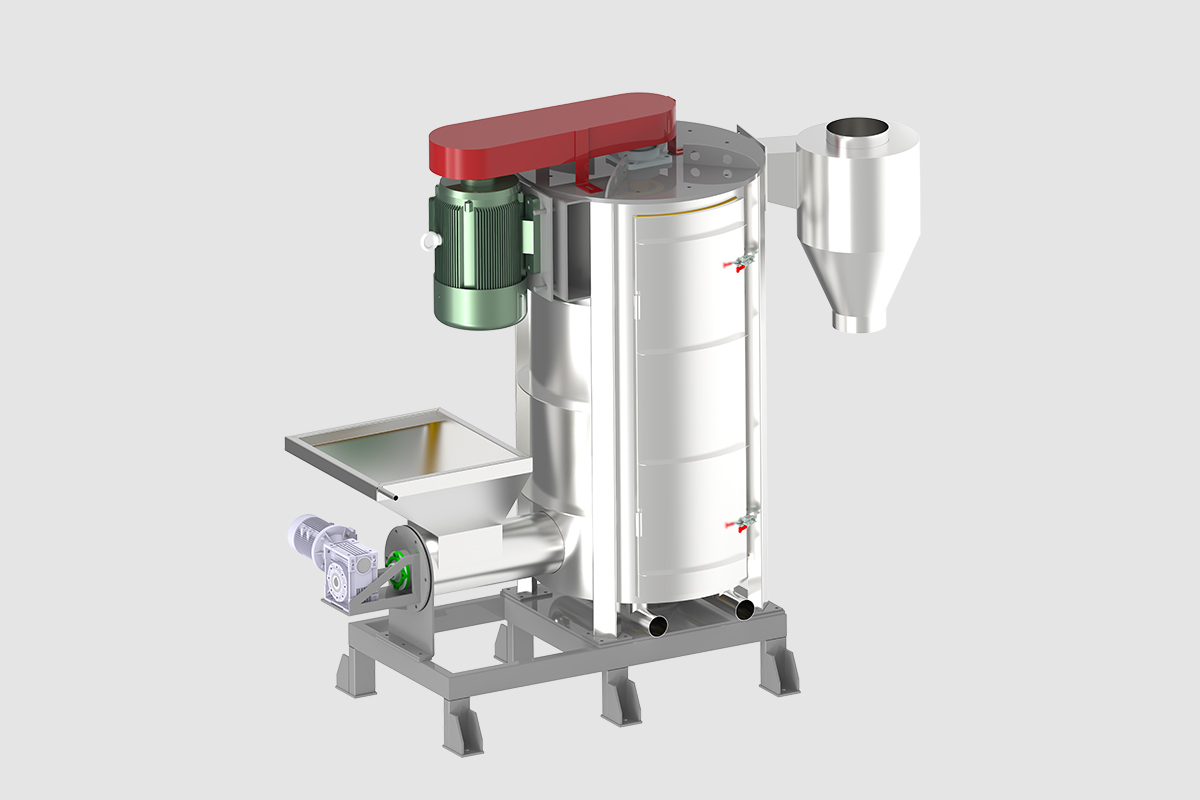
1. Identify the Type of Plastic Material
The first step is to identify the material that needs to be dried. PET flakes, PP flakes, PE flakes, plastic film, and other recycled materials can have different physical characteristics.
Material shape, density, surface area, and tendency to retain water can all influence the required drying method and machine configuration.
2. Check the Initial Moisture Content
The amount of water entering the drying system is another important consideration. Plastic materials coming directly from a washing line may contain a large amount of surface water.
A mechanical dewatering machine or centrifugal dryer can be used to remove free water before additional thermal drying is considered. Understanding the moisture condition of the material helps determine whether one drying stage is sufficient or a combined system is more appropriate.
3. Determine the Required Capacity
The drying system should be able to handle the required throughput of the plastic recycling line. Capacity is usually considered in kilograms per hour or tons per hour.
When selecting a machine, consider both the normal production rate and possible changes in material flow. The dryer should work smoothly with upstream washing equipment and downstream processing equipment rather than becoming a bottleneck in the recycling line.
4. Choose the Appropriate Drying Technology
Different drying technologies are suitable for different applications.
| Drying Method | Main Advantage | Suitable Applications |
|---|---|---|
| Centrifugal Drying | Efficient mechanical water separation | Washed plastic flakes and regrind |
| Mechanical Dewatering | Removes free water without relying mainly on heat | Plastic washing lines |
| Hot Air Drying | Further reduces surface moisture | Plastic flakes and pellets |
| Combined Drying | Combines mechanical and thermal processes | High-capacity or demanding recycling applications |
5. Consider the Required Final Moisture Level
The required moisture level after drying depends on what happens to the recycled plastic next. Materials going directly to storage may have different requirements from materials being fed into an extrusion and pelletizing process.
Therefore, the dryer should be selected based on the required final material condition rather than simply the amount of water that needs to be removed at the beginning of the process.
6. Match the Dryer to the Recycling Line
A plastic drying system is usually one part of a complete recycling line. It may be installed after a plastic crusher, friction washer, float-sink tank, or other washing equipment.
The dryer should be compatible with the material flow, conveying equipment, installation space, and capacity of the other machines. A well-matched system can help maintain a stable production process.
7. Consider Energy Consumption
Energy consumption is an important factor when selecting industrial drying equipment. Mechanical water removal can reduce the amount of water that needs to be removed through thermal drying.
When comparing different systems, buyers should consider motor power, heating requirements, airflow, operating time, and the actual production capacity rather than looking at a single energy specification.
8. Check Machine Construction and Maintenance
plastic recycling equipment operates in environments where water, dirt, plastic particles, and continuous operation are common. Machine construction should therefore be suitable for the working environment.
Important considerations include rotor and screen design, wear-resistant components, access for cleaning, bearing protection, motor configuration, and replacement of consumable parts.
9. Consider Different Plastic Recycling Applications
The right plastic drying system can vary depending on the recycling material.
PET recycling: Drying systems may be used after washing and flake separation.
PP recycling: Mechanical dewatering and drying can be integrated into PP recycling lines.
PE recycling: The drying configuration should match the characteristics of PE flakes or other recycled materials.
Plastic film recycling: Film has a large surface area and can require specialized dewatering and drying equipment.
What Should You Ask a Plastic Drying Machine Manufacturer?
Before purchasing a plastic drying system, buyers should provide the manufacturer with information about the material, input moisture, required capacity, final moisture target, and existing recycling line configuration.
It is also useful to confirm motor power, machine dimensions, installation requirements, maintenance access, spare parts, and after-sales technical support.
Custom Plastic Drying Systems for Recycling Plants
For large or specialized plastic recycling projects, a standard dryer may not always provide the ideal configuration. Manufacturers can develop customized drying systems according to material characteristics, production capacity, moisture requirements, and plant layout.
Custom solutions may include centrifugal dryers, dewatering machines, hot air drying units, conveying systems, control systems, and other equipment required to integrate the drying process into a complete plastic recycling line.
Conclusion
Choosing the right plastic drying system requires more than comparing machine capacity. Material type, moisture content, final moisture requirements, drying technology, production capacity, energy consumption, and integration with the recycling line should all be considered.
For plastic recycling plants, a properly matched drying system can improve material handling and provide more consistent conditions for downstream processing. The best solution should be selected according to the specific recycling process and production requirements.
