 English




A plastic wash line is an essential part of a plastic recycling system. It removes dirt, labels, oil residues, sand, and other contaminants from waste plastic before the material enters subsequent processing stages. A properly configured plastic wash line helps improve material cleanliness and prepares recycled plastic for further processing, such as pelletizing or reuse in manufacturing.
The washing process varies according to the type of plastic, contamination level, required output quality, and production capacity. Understanding how each stage works can help recycling plant operators select suitable equipment for their operations.
What Is a Plastic Wash Line?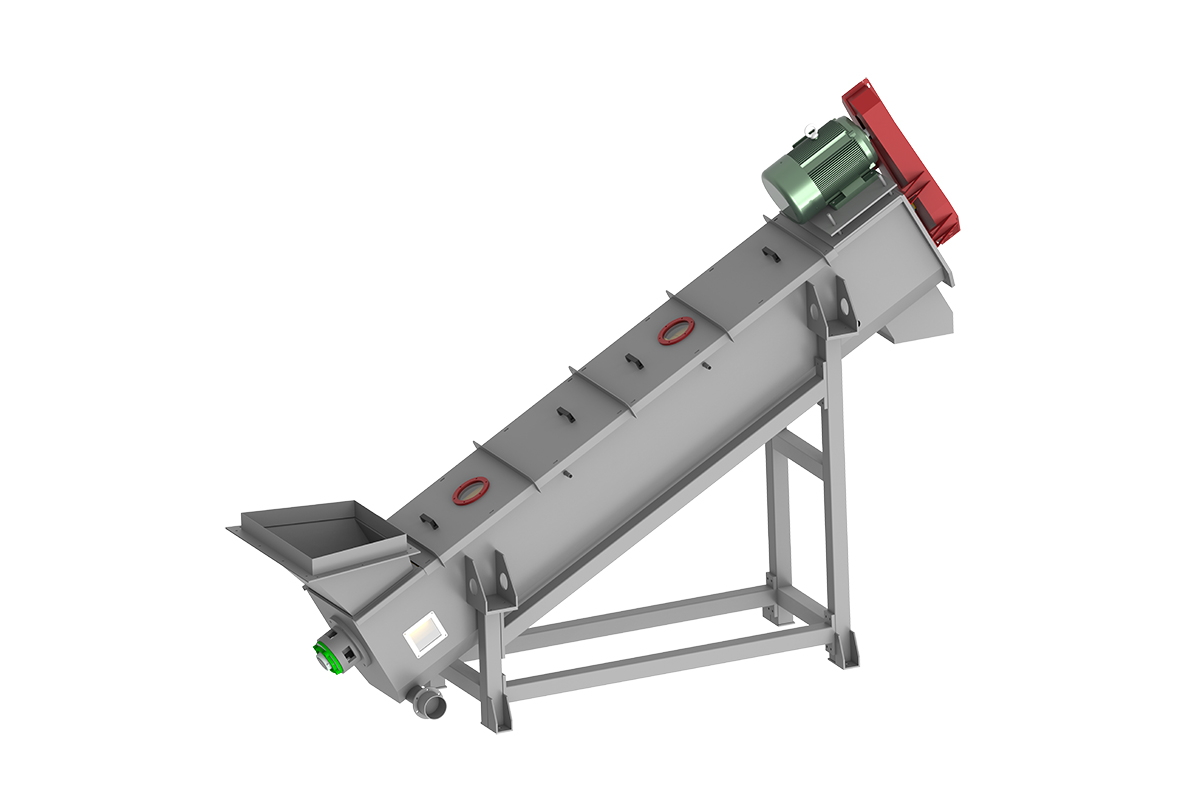
A plastic wash line is an integrated system consisting of multiple machines that process contaminated plastic waste. Depending on the application, the line may include sorting equipment, shredders or crushers, friction washers, float-sink tanks, hot washing units, rinsing tanks, dewatering machines, and drying systems.
Different materials require different configurations. PET bottles, PP containers, PE film, and rigid plastic scrap have different shapes, contamination characteristics, and washing requirements. Therefore, the equipment layout should be designed around the target material rather than using the same process for every plastic type.
How Does a Plastic Wash Line Work Step by Step?
1. Sorting and Pre-Treatment
The first stage involves sorting waste plastic to remove unsuitable materials, metals, and other visible contaminants. Depending on the incoming material, operators may also separate plastic by type or color.
Effective pre-sorting reduces the burden on downstream machines and helps maintain stable operation. For heavily contaminated plastic waste, additional screening or pre-cleaning equipment may be necessary.
2. Shredding or Crushing
After sorting, plastic waste is fed into a shredder or crusher to reduce it to smaller pieces or flakes. Size reduction increases the exposed surface area, allowing washing equipment to remove contaminants more effectively.
The required particle size depends on the material and the downstream process. Equipment selection should also account for film, bottles, rigid plastic, and other feedstock characteristics.
3. Pre-Washing and Separation
A pre-washing stage may be used to remove loose dirt, sand, and surface contaminants before intensive cleaning. A float-sink tank can separate certain plastic materials based on density differences.
For example, in some PET bottle recycling systems, PET flakes sink while lower-density materials such as PP and PE may float. Actual separation results depend on material composition, additives, and process conditions.
4. Friction Washing
A friction washer uses mechanical agitation and water to loosen contaminants from plastic surfaces. It is particularly useful for removing stubborn dirt, paper residues, and other impurities that remain after preliminary washing.
Friction washing can improve cleaning performance, but the machine must be matched to the material type and required throughput. Excessive mechanical action may damage certain materials or increase the generation of fines.
5. Hot Washing When Required
Some recycling applications require hot washing to remove oil, grease, adhesive residues, or other difficult contaminants. The system may use heated water and suitable cleaning agents under controlled operating conditions.
Hot washing is not necessary for every plastic wash line. Its use depends on the incoming material, contamination level, cleaning targets, energy costs, and water treatment requirements.
6. Rinsing and Final Separation
After intensive washing, plastic flakes or pieces may pass through one or more rinsing stages to remove residual dirt and cleaning agents. Additional separation equipment can help remove remaining floating contaminants and improve material purity.
Water circulation and filtration systems can also be incorporated to manage wastewater and reduce fresh water consumption, depending on the plant design.
7. Dewatering and Drying
Washed plastic usually contains residual moisture that must be reduced before storage or further processing. A dewatering machine removes a significant portion of the water through mechanical separation, while a thermal or hot-air drying system may be used when lower moisture levels are required.
The appropriate drying method depends on the material, final moisture target, production capacity, and downstream equipment requirements.
8. Material Collection and Further Processing
After washing and drying, the cleaned plastic is collected for inspection, storage, or subsequent processing. Depending on the recycling process, the material may be sent to an extruder and pelletizing system to produce recycled plastic pellets.
Consistent feeding, effective contaminant removal, and appropriate moisture control all contribute to more stable downstream production.
What Equipment Is Used in a Plastic Wash Line?
| Equipment | Main Function |
|---|---|
| Sorting Conveyor | Removes unsuitable materials and supports feedstock separation. |
| Shredder or Crusher | Reduces plastic waste to a suitable size for washing. |
| Pre-Washing Unit | Removes loose dirt and surface contaminants. |
| Float-Sink Tank | Separates materials with different densities in suitable applications. |
| Friction Washer | Uses mechanical action and water to improve contaminant removal. |
| Hot Washing Unit | Helps remove oil, grease, and stubborn residues when required. |
| Dewatering Machine | Removes a large proportion of water from washed plastic. |
| Drying System | Reduces residual moisture to meet downstream processing requirements. |
Not every Plastic Washing Line requires all these machines. A suitable configuration should be based on the material being processed, required cleanliness, plant capacity, and available installation space.
What Factors Affect Plastic Washing Performance?
Plastic type: PET bottles, PP rigid plastics, and PE films require different handling and washing methods.
Contamination level: Heavily soiled materials may require additional pre-treatment or intensive washing.
Equipment configuration: Correct machine matching helps avoid bottlenecks between processing stages.
Water management: Filtration, circulation, and wastewater treatment influence operating costs and process stability.
Production capacity: The capacity of each machine should be coordinated to maintain consistent material flow.
Final product requirements: Cleanliness and moisture targets determine the necessary washing and drying stages.
FAQ About Plastic Wash Lines
What types of plastic can a plastic wash line process?
Depending on its configuration, a plastic wash line can process PET bottles, PP containers, PE films, rigid plastic scrap, and other recyclable plastic materials. Each application may require a different combination of washing and separation equipment.
Does every plastic washing line require hot washing?
No. Hot washing is generally used when the feedstock contains stubborn contaminants such as oil, grease, or adhesive residues. Some applications can achieve the required cleanliness through cold washing and mechanical cleaning alone.
How can a plastic wash line reduce water consumption?
Water circulation, filtration, sediment removal, and suitable wastewater treatment can help reduce fresh water demand. The achievable savings depend on feedstock contamination, washing requirements, and the overall water management system.
What happens after plastic washing?
Washed plastic is typically dewatered and dried before storage or further processing. Depending on the recycling process, it may then be extruded and pelletized for use in manufacturing new plastic products.
Choose a Plastic Wash Line for Your Recycling Project
Selecting the right plastic wash line starts with understanding your feedstock, contamination level, target output, and production requirements. A well-designed system can improve cleaning performance, support consistent material quality, and help manage operating costs.
When evaluating a plastic recycling washing line, consider the complete process rather than individual machines alone. Equipment compatibility, water treatment, drying capacity, and maintenance access are all important factors in long-term operation.
Contact our team to discuss your plastic washing requirements and explore an equipment configuration suited to your recycling project.
