 English




An HDPE washing line is a complete recycling system designed to process waste high-density polyethylene (HDPE) products into clean and reusable plastic flakes. HDPE is widely used for bottles, containers, drums, pipes, crates, and other rigid plastic products. After use, these products may contain labels, dirt, oil, sand, organic residues, and other contaminants that must be removed before the material can be reused.
An HDPE washing line combines several processes, including sorting, crushing, washing, separation, dewatering, and drying. The exact configuration depends on the type and contamination level of the incoming material, the required output quality, and the intended application of the recycled HDPE.
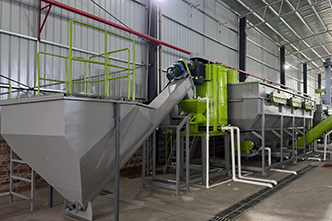
What Is an HDPE Washing Line?
An HDPE washing line is an integrated plastic recycling system used to clean and prepare waste HDPE for further processing. Instead of treating each recycling step as an independent operation, the machines are connected to form a continuous production line.
The primary purpose is to transform contaminated HDPE waste into cleaner, more uniform plastic flakes that can be used as feedstock for downstream processes such as plastic pelletizing, extrusion, injection molding, or other recycling applications.
Depending on the raw material, a typical HDPE recycling line may include a conveyor, sorting system, crusher, pre-washer, friction washer, hot washer, sink-float tank, centrifugal dewatering machine, thermal dryer, and other auxiliary equipment.
How Does an HDPE Washing Line Work?
Although the configuration can vary between recycling projects, the basic working process generally follows several stages.
Raw material feeding
Sorting and removal of unwanted materials
Size reduction
Pre-washing
Friction washing
Separation and rinsing
Dewatering
Drying
Collection of clean HDPE flakes
1. Raw Material Feeding
The recycling process begins with feeding waste HDPE into the production line. Common feedstock includes used HDPE bottles, containers, drums, crates, and other rigid plastic products.
A conveyor or feeding system delivers the material to the first processing stage at a controlled rate. Consistent feeding helps maintain stable throughput and prevents individual machines from becoming overloaded.
2. Sorting and Removal of Contaminants
Sorting is an important part of the HDPE recycling process. Incoming material may contain other plastics, metals, paper, labels, caps, stones, and other unwanted materials.
Depending on the application, manual sorting, magnetic separation, screening, optical sorting, or other separation technologies may be used.
Removing unwanted materials before washing can reduce the contamination entering downstream equipment and improve the quality of the final recycled material.
3. Crushing the HDPE
Large HDPE products are usually reduced in size before intensive washing. A Plastic Crusher or granulator cuts the material into smaller flakes.
Size reduction increases the surface area available for cleaning and makes it easier for water and mechanical forces to remove contaminants.
The appropriate output size depends on the equipment configuration and the requirements of the downstream recycling process.
4. Pre-Washing
A pre-washing stage may be used when the incoming HDPE contains a large amount of loose dirt, sand, food residues, or other contaminants.
Pre-washing removes some of the easier-to-remove contamination before the material enters the more intensive washing equipment. This can reduce the contamination load on the main washing system.
For heavily contaminated materials, an effective pre-washing process can be particularly useful for improving the overall performance of the HDPE washing machine system.
5. Friction Washing
Friction washing is one of the key cleaning stages in many plastic recycling lines.
Inside a friction washer, the HDPE flakes are subjected to mechanical agitation while water helps carry away dirt and contaminants. The combination of mechanical friction and water can remove materials that remain attached to the plastic surface after initial washing.
The efficiency of this stage depends on factors such as residence time, rotor speed, water flow, material contamination, and equipment design.
6. Hot Washing for Heavily Contaminated HDPE
Some HDPE waste requires more intensive cleaning. In these applications, a hot washing stage may be incorporated into the recycling line.
Heated water combined with suitable cleaning agents can help loosen difficult contaminants such as oils, grease, adhesives, and other residues.
Hot washing is not required for every HDPE recycling project. The need for this stage depends on the raw material and the cleanliness requirements of the final product.
7. Sink-Float Separation
A sink-float tank can be used to separate materials according to differences in density.
In a water-based separation process, HDPE and other plastics with different densities behave differently in the tank. This allows certain unwanted materials to be separated from the target HDPE fraction.
Sink-float separation can therefore improve the purity of recycled plastic flakes when the incoming material contains mixed plastics.
8. Dewatering
After washing, the HDPE flakes contain a significant amount of surface water. A centrifugal dewatering machine is commonly used to remove much of this water before thermal drying.
Effective dewatering reduces the moisture entering the dryer and can help lower the energy required for subsequent drying.
9. Drying the HDPE Flakes
After mechanical dewatering, the material may still contain residual moisture. A thermal drying system can further reduce moisture to the required level.
Moisture control is important because excessive moisture can affect the performance of downstream extrusion, pelletizing, or molding processes.
10. Collection of Clean HDPE Flakes
After washing, separating, dewatering, and drying, the processed material becomes clean HDPE flakes.
The flakes can then be stored, transported, or sent to a downstream HDPE recycling machine, such as a plastic pelletizing or extrusion system.
What Equipment Is Included in an HDPE Washing Line?
The equipment configuration varies according to the feedstock and required output quality. A typical HDPE washing system may contain:
| Equipment | Main Function |
|---|---|
| Feeding Conveyor | Transfers raw HDPE into the line |
| Sorting System | Removes unwanted materials |
| Crusher | Reduces HDPE products into smaller flakes |
| Pre-Washer | Removes loose dirt and initial contamination |
| Friction Washer | Uses mechanical friction and water for intensive cleaning |
| Hot Washer | Helps remove difficult contamination |
| Sink-Float Tank | Separates materials based on density |
| Dewatering Machine | Removes surface water |
| Thermal Dryer | Reduces residual moisture |
What Types of HDPE Waste Can Be Processed?
An HDPE washing line can be designed for different types of rigid HDPE waste. Common feedstocks include:
HDPE bottles
HDPE containers
HDPE drums
HDPE crates
HDPE pipes
Household plastic containers
Post-consumer rigid HDPE waste
Post-industrial HDPE scrap
However, not all HDPE waste has the same contamination profile. The washing line should therefore be configured according to the actual raw material rather than using a one-size-fits-all equipment arrangement.
What Factors Affect HDPE Washing Line Performance?
The performance of an HDPE washing line depends on several factors.
Raw Material Quality
The type and level of contamination in the incoming material directly affect the washing requirements. Cleaner post-industrial scrap may require a simpler process than heavily contaminated post-consumer waste.
Washing Temperature
For systems using hot washing, water temperature can affect the removal of grease, oil, adhesive, and other difficult contaminants.
Washing Time
Sufficient residence time allows the washing equipment to provide the required mechanical and cleaning action. Excessive processing time, however, may increase energy and water consumption without providing proportional benefits.
Water Management
Water quality and circulation have a direct impact on washing performance. Efficient water management can help maintain cleaning performance while reducing water consumption.
Equipment Configuration
The right combination of crushers, washers, separators, dewatering systems, and dryers is essential for achieving the desired output quality.
What Are the Benefits of an HDPE Washing Line?
A properly designed HDPE recycling line can provide several advantages for plastic recycling operations.
Processes contaminated HDPE waste into reusable material
Improves the cleanliness of recycled plastic flakes
Supports continuous and automated production
Reduces manual cleaning requirements
Allows different processing stages to work together
Can be customized for different HDPE feedstocks
Provides prepared material for downstream recycling processes
HDPE Washing Line vs. Plastic Washing Line
An HDPE washing line is a type of plastic washing line, but the system is specifically configured for HDPE materials and their typical contamination characteristics.
| Feature | HDPE Washing Line | General Plastic Washing Line |
|---|---|---|
| Target Material | Primarily HDPE | Different plastic materials |
| Typical Feedstock | Bottles, containers, drums, pipes, crates | Depends on the system |
| Configuration | Designed around HDPE characteristics | Designed around target plastics |
| Output | Clean HDPE flakes | Clean recycled plastic material |
How to Choose the Right HDPE Washing Line?
Choosing the right system requires an understanding of the raw material and the final product requirements. Before purchasing an HDPE washing line, buyers should consider several factors.
1. Identify the Raw Material
Determine whether the feedstock consists mainly of bottles, containers, drums, pipes, crates, or mixed rigid plastic waste.
2. Analyze the Contamination
Consider the amount and type of dirt, labels, oil, organic material, sand, metals, and other contaminants. This determines how intensive the washing process needs to be.
3. Determine Required Capacity
The required processing capacity should match the available raw material supply and production targets. A system that is significantly undersized may limit production, while excessive capacity may increase unnecessary investment and operating costs.
4. Define the Required Output Quality
The required cleanliness and moisture level of the final HDPE flakes depend on the downstream application. Higher-quality output may require additional separation and washing stages.
5. Consider Water and Energy Consumption
Washing and drying are important operating costs. Buyers should evaluate water circulation, heating requirements, drying efficiency, and overall energy consumption when comparing different systems.
Frequently Asked Questions
What is an HDPE washing line used for?
An HDPE washing line is used to clean and process waste HDPE products into reusable plastic flakes. It is commonly used for recycling bottles, containers, drums, crates, pipes, and other rigid HDPE materials.
What is the process of an HDPE washing line?
A typical process includes feeding, sorting, crushing, pre-washing, friction washing, separation, dewatering, drying, and collection. The exact process depends on the type and contamination level of the raw material.
Can an HDPE washing line process dirty plastic bottles?
Yes. HDPE bottle washing systems can be designed to process contaminated post-consumer bottles. The required equipment depends on the level and type of contamination.
What is the final product of an HDPE washing line?
The typical output is clean and dried HDPE flakes. These flakes can be used as feedstock for further recycling processes such as extrusion and pelletizing.
Does every HDPE washing line require hot washing?
No. Hot washing is generally used when the incoming material contains difficult contaminants that require more intensive cleaning. A simpler feedstock may be processed effectively without a hot washing stage.
An HDPE washing line is an integrated recycling system that transforms contaminated HDPE waste into cleaner and reusable plastic flakes. By combining sorting, crushing, washing, separation, dewatering, and drying technologies, the system can prepare waste plastic for further recycling and manufacturing applications.
The ideal configuration depends on the type of HDPE waste, contamination level, required capacity, desired output quality, water and energy requirements, and downstream application. For this reason, an effective HDPE recycling line should be designed around the specific characteristics of the customer's raw material rather than using a standard configuration for every project.
