 English




Hard plastic is widely used in containers, automotive components, industrial products, household items, pipes, and packaging. Unlike soft plastic film, hard plastic usually requires mechanical size reduction and separation before it can be reused as a secondary raw material.
A typical hard plastic recycling process includes collection, sorting, shredding or crushing, washing, drying, and further processing. The exact process depends on the type, size, contamination level, and intended application of the plastic.
1. Identify and Sort the Hard Plastic
The first step is to identify and sort the plastic according to its material type. Common recyclable plastics include HDPE, PP, ABS, PS, and other engineering or industrial plastics.
Different plastic types have different melting temperatures, physical properties, and processing requirements. Proper sorting helps prevent incompatible materials from being mixed during recycling.
2. Remove Contaminants
Hard plastic products may contain labels, metal components, dirt, oil, adhesives, or other materials. These contaminants should be removed before further processing.
For industrial recycling applications, pre-sorting can significantly reduce the contamination entering the recycling line and improve the quality of the recycled material.
3. Shred the Hard Plastic
Large or bulky plastic products are usually processed through a Plastic Shredder. The shredder cuts the material into smaller pieces, making it easier to handle and feed into downstream equipment.
Industrial shredders are particularly useful for large plastic parts, thick containers, pipes, automotive plastic components, and production waste.
4. Crush the Plastic Into Smaller Flakes
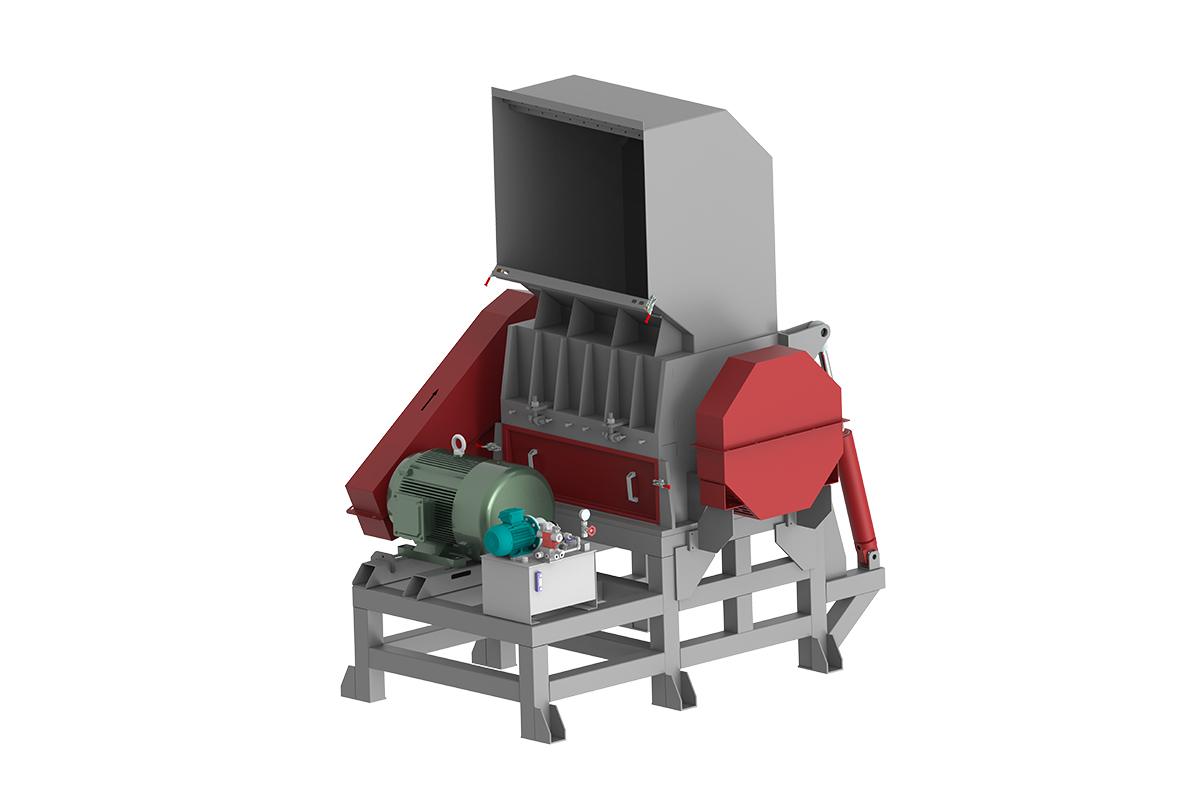
After shredding, the plastic can be processed through a Plastic Crusher to produce smaller and more uniform flakes. Particle size can be controlled according to the recycling process and screen configuration.
Smaller plastic flakes are easier to wash, separate, dry, and feed into subsequent recycling equipment.
5. Wash the Plastic Flakes
Washing is an important stage when the hard plastic contains dirt, dust, oil, labels, or other surface contamination. Washing equipment helps clean the plastic flakes before they are reused.
The washing process can include friction washing, hot washing, rinsing, or other cleaning methods depending on the contamination level and plastic material.
6. Separate Different Materials
After crushing and washing, different plastic materials may need to be separated. Separation methods can include density separation, air separation, manual sorting, or other automated technologies.
Effective separation improves the purity of the recycled plastic and helps produce more consistent recycled material for manufacturing applications.
7. Dry the Recycled Plastic
Moisture needs to be removed before the plastic enters many downstream processes. Centrifugal dryers, thermal drying systems, and other drying equipment can be used depending on the recycling line.
Proper drying helps prepare the plastic flakes for storage, extrusion, or pelletizing.
8. Extrude and Pelletize the Recycled Plastic
For applications that require a reusable plastic raw material, cleaned and dried flakes can be fed into a recycling extruder. The plastic is melted, filtered, and formed into a continuous strand or other suitable output.
The processed material can then be pelletized into recycled plastic pellets. These pellets can be used as secondary raw materials in selected manufacturing processes, depending on their quality and material properties.
What Types of Hard Plastic Can Be Recycled?
Many types of hard plastic can be mechanically recycled when they are properly collected, sorted, and processed. Common examples include HDPE containers, PP products, ABS components, PS products, plastic crates, rigid packaging, pipes, and industrial plastic waste.
However, recyclability depends on the material composition, contamination, additives, product structure, and intended end use. Mixed or heavily contaminated plastics may require additional sorting or specialized processing.
What Equipment Is Needed to Recycle Hard Plastic?
A hard plastic recycling line may include several types of equipment:
plastic shredder for initial size reduction
Plastic Crusher for producing smaller flakes
Sorting equipment for separating different materials
Washing equipment for removing contaminants
Drying equipment for reducing moisture
Recycling extruder for melting and processing plastic
Pelletizing equipment for producing recycled plastic pellets
Conveyor systems for continuous material handling
Not every recycling project requires all of these machines. The equipment configuration should be selected according to the plastic type, feedstock condition, processing capacity, and required recycled output.
Why Is Proper Hard Plastic Recycling Important?
Recycling hard plastic can reduce the amount of plastic waste sent to disposal facilities while recovering materials that can potentially be used again in manufacturing. For industrial users, an efficient recycling system can also help recover production scrap and reduce raw material waste.
With suitable shredding, sorting, washing, and processing equipment, hard plastic waste can be converted into a more manageable and reusable material stream.
Choose the Right Hard Plastic Recycling Solution
Hard plastic recycling is not a single-machine process. The most effective solution depends on the characteristics of the incoming material and the quality requirements of the recycled output.
For recycling plants, plastic manufacturers, and industrial waste processors, a customized recycling line can combine size reduction, sorting, washing, drying, and pelletizing equipment to create a continuous and efficient recycling process.
