 English




Plastic recycling is the process of collecting, sorting, processing, and converting waste plastic into reusable materials or products. Instead of sending plastic waste directly to landfills or incineration facilities, recycling allows suitable plastic materials to re-enter the manufacturing cycle.
With the increasing use of plastic in packaging, automotive components, household products, electrical equipment, and industrial applications, plastic recycling has become an important part of modern waste management and resource recovery.
For manufacturers and recycling businesses, an effective plastic recycling process can help recover valuable materials, reduce waste disposal requirements, and support more efficient use of raw materials.
Why Is Plastic Recycling Important?
Plastic is durable, lightweight, and versatile, but many plastic products can remain in the environment for a long time if they are not properly managed. Recycling provides a way to recover usable materials from plastic waste and reduce the demand for some new plastic resources.
1. Reducing Plastic Waste
Plastic recycling helps divert suitable plastic waste from landfills and other disposal routes. Industrial waste, production scraps, discarded containers, and used plastic products can potentially be collected and processed for further use.
2. Conserving Raw Materials
Recycled plastic can replace part of the virgin plastic used in certain manufacturing processes. This helps manufacturers make better use of available resources and reduce dependence on newly produced raw materials.
3. Supporting the Circular Economy
Plastic recycling supports the circular economy by keeping materials in use for longer. Recovered plastic can be processed into flakes, regrind, pellets, or other secondary raw materials for use in new products.
4. Improving Industrial Waste Management
For factories that generate plastic waste during production, an on-site or outsourced recycling solution can help organize waste collection, material recovery, and resource utilization.
What Are the Main Steps in the Plastic Recycling Process?
The exact recycling process depends on the plastic type, waste condition, contamination level, and final application. However, a typical mechanical plastic recycling process includes several key stages.
1. Plastic Waste Collection
The first step is collecting plastic waste from households, commercial facilities, recycling stations, or industrial production lines. Common sources include plastic containers, packaging materials, manufacturing scraps, rejected products, and post-industrial plastic waste.
Separating different waste streams at the collection stage can make subsequent sorting and processing more efficient.
2. Sorting and Classification
Plastic waste is sorted according to material type, color, shape, size, and contamination level. Different plastics have different melting points and processing characteristics, so material identification is important for achieving consistent recycling results.
Common plastic categories include PET, HDPE, PVC, LDPE, PP, and PS. Not all materials are suitable for the same recycling process.
3. Crushing or Shredding
Large plastic items are usually reduced in size using a plastic shredder, crusher, or granulator. Size reduction makes the material easier to transport, clean, separate, and process.
The choice between a shredder and a crusher depends on the material size, hardness, shape, throughput requirements, and desired output size.
4. Washing and Cleaning
Plastic waste may contain dust, dirt, labels, oil, food residues, adhesives, or other contaminants. Washing equipment can be used to remove suitable contaminants and improve the quality of the recovered material.
Not every recycling line requires intensive washing. The appropriate cleaning process depends on the source and condition of the plastic waste.
5. Drying and Separation
After washing, the plastic material may need to be dewatered or dried. Additional separation processes can help remove unwanted materials and improve the purity of the recycled plastic.
6. Pelletizing or Further Processing
Depending on the final application, cleaned plastic flakes or regrind may be directly used in certain processes or further processed through an extruder and pelletizing system.
The resulting recycled plastic pellets can be used as secondary raw materials in selected manufacturing applications, subject to material quality and application requirements.
What Equipment Is Used for Plastic Recycling?
A plastic recycling line may include different types of equipment depending on the material and required output. Common equipment includes:
Plastic Shredder: Reduces large or bulky plastic waste into smaller pieces.
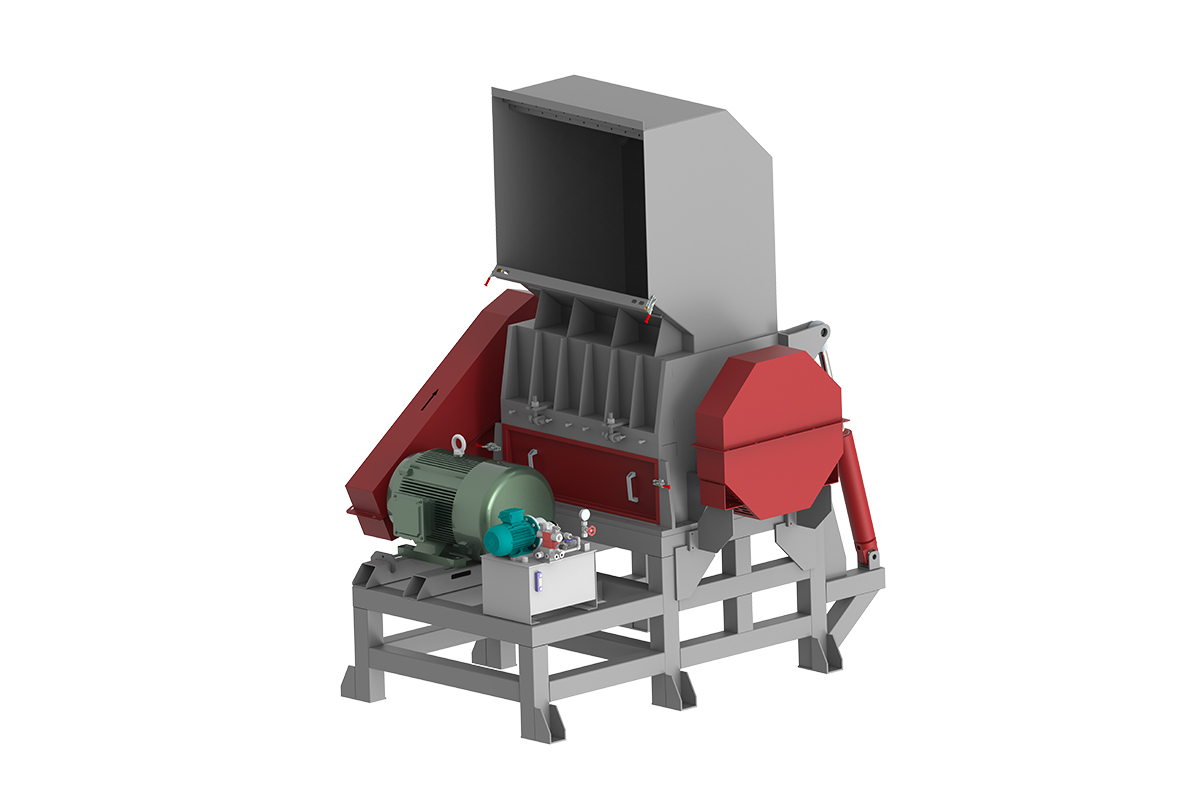
plastic crusher: Crushes plastic materials into a more uniform size for further processing.
plastic granulator: Produces plastic regrind or granules with a controlled particle size.
Plastic Washing Machine: Removes suitable dirt and contaminants from plastic waste.
Dewatering and Drying Equipment: Reduces moisture after the washing process.
Separation Equipment: Helps separate plastics from other materials or different plastic fractions.
Plastic Pelletizing System: Converts suitable recycled plastic materials into reusable pellets.
The equipment configuration should be selected according to the plastic material, contamination level, required capacity, and final product specifications.
What Types of Plastic Can Be Recycled?
Many common plastics can be recycled through suitable mechanical or chemical processes. However, recyclability depends on the material type, product design, contamination level, collection system, and available processing technology.
Common recyclable materials may include:
PET used in certain bottles and containers
HDPE used in containers, pipes, and industrial products
PP used in packaging, automotive components, and industrial parts
LDPE used in selected films and flexible plastic products
PS used in certain packaging and molded products
Selected engineering plastics from industrial production waste
Some plastic products are difficult to recycle because they contain multiple materials, additives, coatings, or heavy contamination. Therefore, a material assessment is recommended before choosing recycling equipment.
What Is the Difference Between Post-Industrial and Post-Consumer Plastic Recycling?
Post-Industrial Plastic Recycling
Post-industrial plastic waste is generated during manufacturing processes. Examples include production offcuts, rejected parts, injection molding waste, extrusion scraps, and unused material from industrial operations.
This type of waste is often easier to sort because its material composition and source are more consistent.
Post-Consumer Plastic Recycling
Post-consumer plastic waste comes from products discarded after consumer use. It may include bottles, containers, packaging, and household plastic products.
Post-consumer waste often requires more extensive sorting and cleaning because it may contain mixed materials, labels, food residues, and other contaminants.
How Can Businesses Improve Plastic Recycling Efficiency?
Businesses can improve recycling efficiency by taking several practical measures:
Separate plastic waste at the source.
Identify the material type before processing.
Reduce contamination during collection and storage.
Select equipment based on the actual waste characteristics.
Maintain shredders, crushers, washing systems, and other equipment regularly.
Monitor output size, moisture, purity, and material consistency.
Work with experienced recycling equipment suppliers for process planning.
How to Choose plastic recycling equipment?
When planning a plastic recycling project, buyers should consider the following factors:
Type of plastic waste
Material size and shape
Hardness and thickness of the plastic
Moisture and contamination level
Required processing capacity
Desired output size or form
Available installation space
Energy consumption and maintenance requirements
Future production and expansion plans
A professional supplier can help evaluate the waste material and recommend a suitable combination of shredding, crushing, washing, drying, and pelletizing equipment.
Plastic recycling converts suitable plastic waste into reusable materials through processes such as sorting, shredding, crushing, washing, drying, and pelletizing. It helps businesses recover valuable resources, reduce waste, and improve material utilization.
The most suitable recycling process and equipment depend on the plastic type, waste condition, required capacity, and final application. A carefully planned recycling system can provide a practical solution for both post-industrial and post-consumer plastic waste.
Looking for a plastic recycling solution? Contact us to discuss your plastic waste type, processing requirements, and customized recycling equipment needs.
