 English




A plastic drying system is an important part of many plastic recycling lines. After plastic materials are washed, a significant amount of water may remain on the surface of plastic flakes, film, or other recycled materials. A plastic drying system removes this moisture before the material moves to the next processing stage.
Depending on the material and recycling process, a plastic drying system may use mechanical centrifugal force, hot air, or a combination of different drying technologies to reduce moisture efficiently.
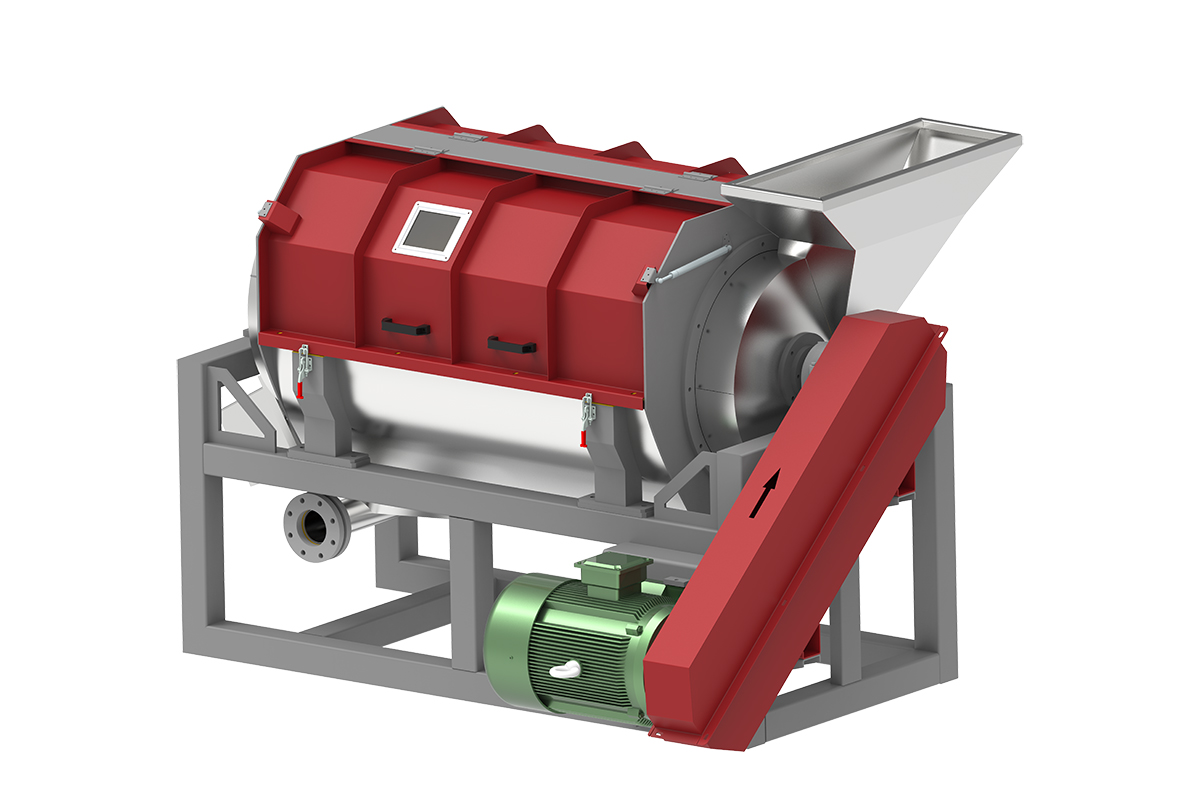
What Is a Plastic Drying System?
A plastic drying system is a machine or group of machines designed to remove water and moisture from recycled plastic materials. It is commonly installed after plastic washing equipment and before processes such as extrusion, pelletizing, storage, or packaging.
In a plastic recycling line, effective drying is important because excessive moisture can affect material handling, storage, and the performance of downstream equipment.
How Does a Plastic Drying System Work?
The exact working process depends on the type of drying equipment. A typical plastic recycling drying system can include the following stages:
Wet plastic enters the drying machine: Washed plastic flakes or film are conveyed into the drying equipment.
Mechanical water removal: High-speed rotation or centrifugal force separates free water from the plastic material.
Air or thermal drying: Depending on the system, hot or dry air can be used to further reduce surface moisture.
Moisture discharge: Separated water and humid air are discharged from the system.
Dried material output: The processed plastic is discharged for further recycling or storage.
What Machines Are Used for Plastic Drying?
Different drying machines can be used depending on the type of plastic and the required moisture level.
| Drying Equipment | Main Function | Typical Application |
|---|---|---|
| Centrifugal Dryer | Removes free water through high-speed mechanical separation | Plastic flakes and washed regrind |
| Plastic Dewatering Machine | Separates water from wet plastic materials | Plastic washing and recycling lines |
| Hot Air Dryer | Uses heated air to reduce surface moisture | Plastic flakes, pellets, and other materials |
| Combined Drying System | Combines mechanical and thermal drying | Higher-capacity recycling lines |
Why Is Drying Important in Plastic Recycling?
Washing is an important part of plastic recycling, but washed plastic cannot always be sent directly to the next process. Residual water can increase material moisture and create problems for downstream processing.
A suitable drying system helps remove water efficiently and provides more consistent material conditions for subsequent processes. This can be particularly important when recycled plastic is prepared for extrusion and pelletizing.
What Factors Affect Plastic Drying Efficiency?
Material type: Different plastics have different shapes, densities, and surface characteristics.
Material moisture: The amount of water entering the machine affects the required drying process.
Throughput: The dryer needs sufficient capacity for the required recycling line output.
Rotation speed: Mechanical dryers rely on suitable centrifugal force to separate water.
Air temperature and flow: Thermal drying performance depends on appropriate air conditions.
Material residence time: Sufficient processing time is required for effective moisture removal.
Machine configuration: Rotor design, screen design, airflow, and discharge configuration can affect performance.
Plastic Drying in Different Recycling Applications
Plastic drying systems can be integrated into different recycling lines, including PET bottle recycling, PP recycling, PE recycling, and plastic film recycling. The equipment configuration should be selected according to the material characteristics and required production capacity.
For example, plastic flakes from a washing line may require mechanical dewatering before further processing, while some applications may require additional hot-air drying to achieve a lower moisture level.
How to Select a Plastic Drying System?
Before selecting a plastic drying system, recycling companies should consider the material type, input moisture, required output, available installation space, energy consumption, and the requirements of downstream equipment.
The drying machine should also be matched with the capacity of the complete plastic recycling line. Selecting a dryer based only on its rated capacity may not provide the best overall system performance.
Custom Plastic Drying Systems for Recycling Lines
Plastic recycling plants may have different material types, capacities, and moisture requirements. Therefore, drying equipment can be configured according to specific recycling applications.
Custom solutions may include machine capacity, rotor configuration, motor power, drying stages, conveying systems, hot-air systems, and integration with upstream washing and downstream extrusion equipment.
Conclusion
A plastic drying system removes water from washed plastic materials through mechanical, thermal, or combined drying processes. It is an important part of many plastic recycling lines because proper moisture removal helps prepare recycled materials for subsequent processing.
The right drying equipment depends on the type of plastic, moisture level, required capacity, drying requirements, and overall recycling line configuration.
