 English




A plastic recycling machine processes discarded plastic through a series of mechanical and thermal operations, depending on the type of plastic and the required recycled output. The basic process can include size reduction, sorting, washing, dewatering, drying, extrusion, filtration, and pelletizing.
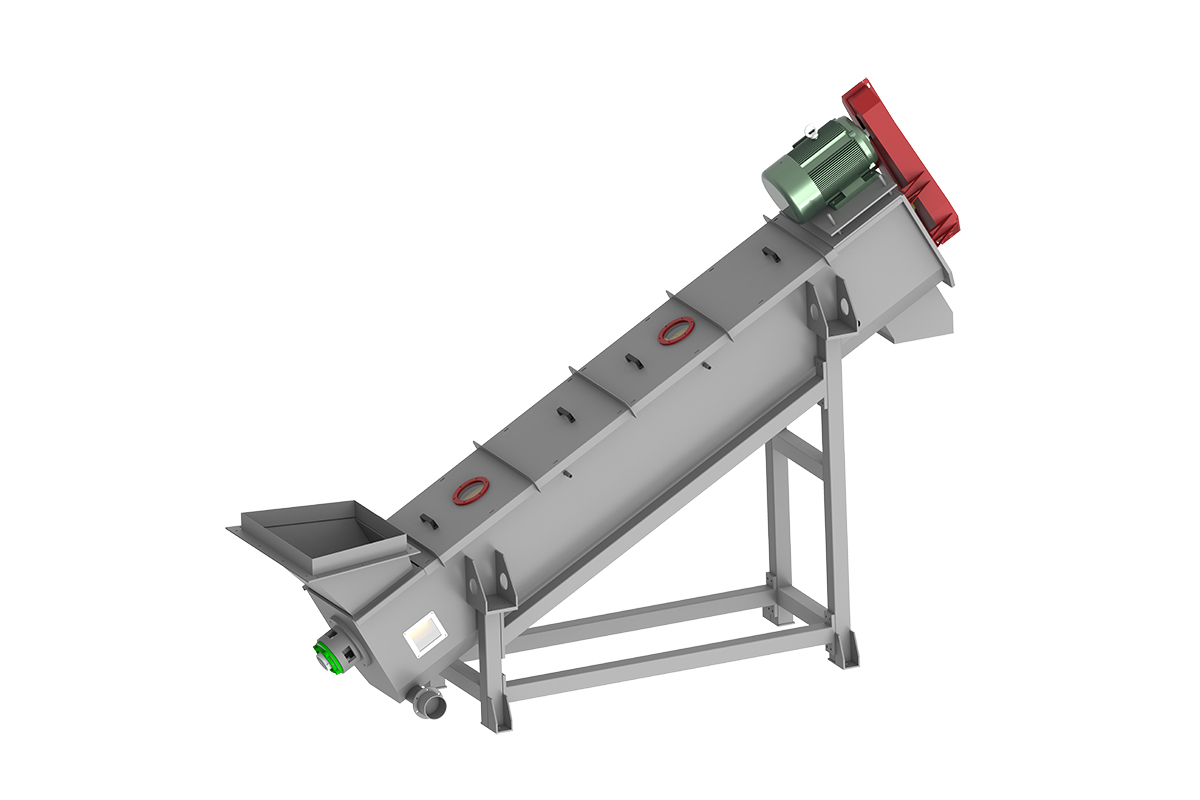
What Is the Purpose of a plastic recycling machine?
The main purpose of plastic recycling equipment is to transform plastic waste into a form that can be reused as a manufacturing raw material. Instead of sending suitable plastic waste directly to disposal, recycling machines can process it into clean flakes, particles, or recycled plastic pellets.
The exact recycling process depends on the material. Clean production scrap may require fewer processing stages, while post-consumer plastic waste may require extensive washing and separation.
How Does a Plastic Recycling Machine Work?
1. Plastic Waste Feeding
Plastic waste is first introduced into the recycling system through a feeding device or conveyor. The feeding method depends on the shape and size of the material.
Large rigid plastic products, plastic film, bottles, and other materials may require different feeding solutions to maintain stable material flow.
2. Size Reduction
Large plastic waste is reduced in size using a shredder or crusher. Smaller pieces are easier to wash, separate, dry, and process through an extruder.
The required output size depends on the next processing stage and the characteristics of the recycled material.
3. Sorting and Separation
Sorting removes unwanted materials and separates different types of plastic when necessary. Depending on the recycling line, separation may involve manual sorting or mechanical separation technologies.
Effective sorting helps improve the consistency of the material entering the washing and extrusion stages.
4. Plastic Washing
Plastic flakes or pieces can contain dirt, dust, oil, paper, labels, and other contaminants. Washing equipment removes these impurities from the plastic surface.
The washing process can be designed according to the contamination level and the type of plastic being processed.
5. Dewatering and Drying
Washed plastic contains residual water, so dewatering equipment is used to remove a large portion of the moisture. A dryer can then reduce the remaining moisture before extrusion.
Proper moisture control is important because excessive moisture can affect the extrusion process and recycled pellet quality.
6. Extrusion and Melting
After cleaning and drying, suitable plastic material can enter a recycling extruder. Inside the extruder, the plastic is heated and melted while being transported through the screw system.
The extrusion process helps homogenize the recycled material and prepare it for filtration and pelletizing.
7. Melt Filtration
During extrusion, a filtration system can remove remaining solid impurities from the melted plastic. Filtration requirements depend on the cleanliness of the incoming material and the quality requirements of the recycled output.
8. Pelletizing
After filtration, the molten plastic is formed into strands or another suitable shape and then cut into recycled plastic pellets.
Pellets provide a convenient form for storage, transportation, and reuse in plastic manufacturing.
Plastic Recycling Process Flow
A typical mechanical plastic recycling process can be summarized as:
Plastic Waste → Feeding → Shredding/Crushing → Sorting → Washing → Dewatering → Drying → Extrusion → Filtration → Pelletizing
The actual configuration can be simplified or expanded depending on the material. For example, clean industrial plastic scrap may not require the same washing system as heavily contaminated post-consumer waste.
What Factors Affect Plastic Recycling Machine Performance?
Plastic Material
Different plastics have different melting temperatures, mechanical properties, and processing characteristics. PE, PP, PET, PVC, and other plastics therefore require different recycling processes and equipment configurations.
Moisture Content
Water remaining after washing can affect drying efficiency and extrusion performance. Appropriate dewatering and drying equipment can help maintain stable processing conditions.
Contamination Level
Plastic waste with high levels of dirt, oil, labels, or mixed materials requires more intensive cleaning and separation before extrusion.
Processing Capacity
The required capacity determines the size and configuration of the recycling equipment. A production line designed for continuous industrial operation needs to maintain stable material feeding and processing throughout the system.
Required Output Quality
The quality requirements for recycled flakes or pellets influence the selection of washing, filtration, extrusion, and pelletizing equipment.
Can a plastic recycling line Be Customized?
Yes. Plastic recycling systems can be configured according to the customer's raw material, processing capacity, contamination level, desired output, and available factory space.
A customized recycling line may combine different machines and processing stages rather than using a fixed configuration for every project.
What Should You Consider Before Buying a Plastic Recycling Machine?
Type and grade of plastic waste
Shape and size of incoming material
Contamination and moisture levels
Required processing capacity
Desired output form and quality
Factory layout and available installation space
Required washing and drying processes
Extrusion and filtration requirements
Future production and capacity requirements
Conclusion
A plastic recycling machine works by processing plastic waste through a series of steps designed to reduce size, remove contaminants, control moisture, and convert the material into reusable flakes or pellets. The specific process depends on the plastic material and the required output.
For industrial recycling projects, selecting and combining the appropriate equipment is essential for achieving stable processing and consistent recycled material quality.
FAQ
How does a plastic recycling machine recycle plastic?
It typically reduces plastic waste in size, removes contaminants through sorting and washing, removes moisture through dewatering and drying, and then processes suitable material through extrusion and pelletizing.
Can dirty plastic be processed directly?
Heavily contaminated plastic generally requires appropriate sorting and washing before extrusion. The required cleaning process depends on the type and level of contamination.
What does a plastic recycling machine produce?
Depending on the equipment configuration, the output can include plastic flakes, clean particles, or recycled plastic pellets.
Can the recycling process be designed for different plastics?
Yes. Recycling equipment can be configured according to the characteristics of PE, PP, PET, PVC, and other plastic materials.
Planning a plastic recycling project? Provide information about your plastic waste, material type, contamination level, required capacity, and target output to develop a suitable recycling process.
