 English




plastic recycling machines are designed to process different types of plastic waste and convert them into reusable materials. Depending on the plastic type, waste condition, processing capacity, and required output, recycling systems may include shredders, crushers, washing machines, dewatering machines, dryers, extruders, and complete plastic recycling lines.
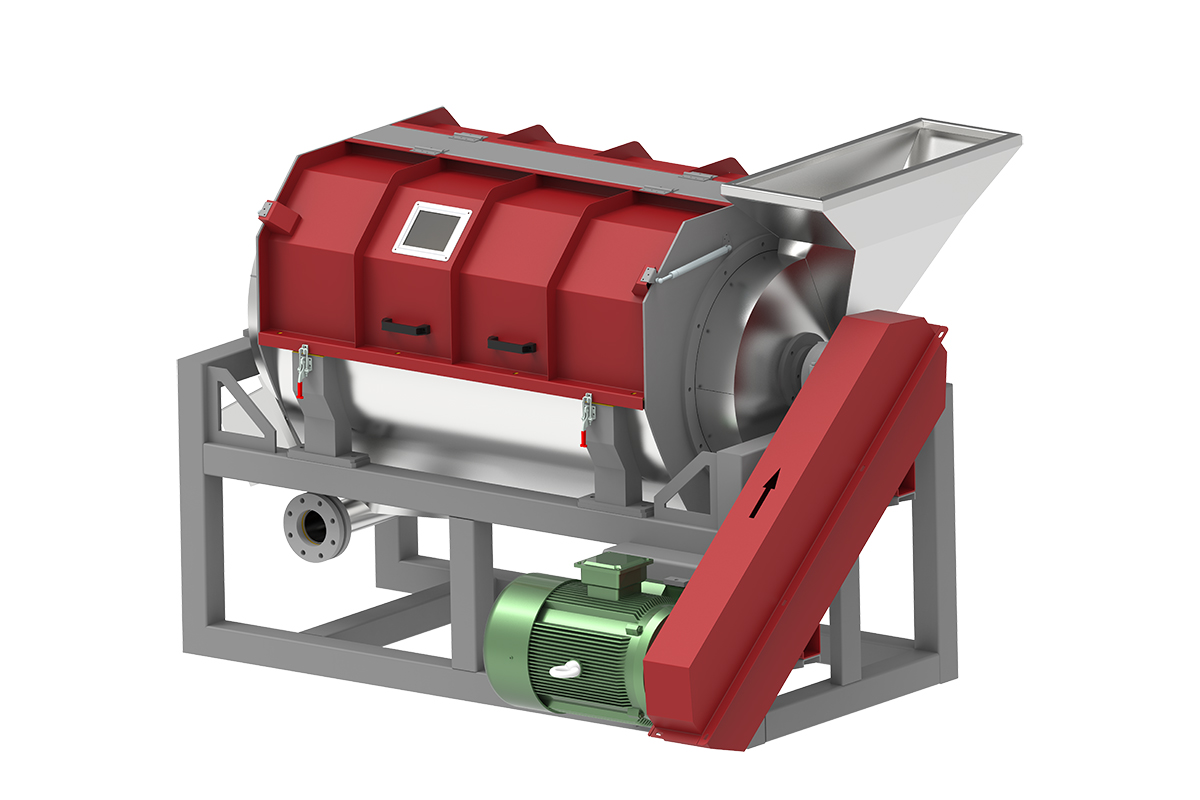
Why Are Different Types of Plastic Recycling Machines Needed?
Plastic waste varies significantly in material, size, contamination level, and moisture content. A machine suitable for rigid plastic may not be appropriate for film or heavily contaminated waste.
For this reason, plastic recycling equipment is normally selected according to the characteristics of the waste and the required recycled material. A complete recycling process may combine several machines to achieve the desired output quality.
Common Types of Plastic Recycling Machines
1. Plastic Shredder
A plastic shredder is commonly used as the first stage for large or bulky plastic waste. It reduces plastic materials into smaller pieces, making them easier to transport and process in subsequent recycling equipment.
Plastic shredders can be used for materials such as plastic containers, pipes, sheets, packaging waste, and other rigid plastic products.
2. plastic crusher
A plastic crusher further reduces plastic waste into smaller particles or flakes. It is often used after shredding or as an independent size-reduction machine, depending on the material and processing requirements.
The screen size can influence the final particle size, while different cutter configurations can be selected for different plastic materials.
3. Plastic Washing Machine
Plastic washing machines remove dirt, dust, labels, oil, and other contaminants from plastic waste. Washing is particularly important when recycled plastic needs to meet higher cleanliness requirements.
A recycling system may use cold washing, hot washing, friction washing, or other cleaning processes depending on the contamination level and material type.
4. Plastic Dewatering Machine
After washing, plastic flakes contain a significant amount of water. A plastic dewatering machine removes excess moisture before the material enters the drying or extrusion stage.
Reducing moisture can improve the efficiency of subsequent processing and help produce more consistent recycled material.
5. Plastic Dryer
A plastic dryer is used to further reduce residual moisture after washing and mechanical dewatering. Drying is especially important before extrusion because excessive moisture can affect the quality and stability of recycled plastic.
6. Plastic Recycling Extruder
A plastic recycling extruder melts and homogenizes processed plastic flakes or particles. The material can then be filtered and converted into plastic strands or pellets for reuse in manufacturing.
Extrusion systems can be configured according to plastic material, throughput, filtration requirements, and final pellet specifications.
7. Plastic Pelletizing Machine
A plastic pelletizing machine cuts extruded plastic into uniform pellets. Recycled plastic pellets are easier to store, transport, and use as raw materials in subsequent production processes.
Complete Plastic Recycling Line
For larger-scale recycling operations, individual machines can be integrated into a complete plastic recycling line. A typical process may include:
Plastic Waste → Shredding → Crushing → Washing → Dewatering → Drying → Extrusion → Pelletizing
Not every recycling project requires all of these machines. The configuration should be determined by the type of plastic waste, contamination level, required capacity, and final product requirements.
How to Choose the Right Plastic Recycling Machine?
Plastic type: Identify whether the material is PE, PP, PET, PVC, or another plastic.
Waste form: Consider whether the waste is film, bottles, pipes, containers, sheets, or mixed plastic.
Contamination: Check the amount of dirt, oil, labels, metal, and other impurities.
Required capacity: Determine the expected processing capacity per hour.
Final product: Define whether the output should be flakes, clean plastic particles, or recycled pellets.
Available space: Consider the layout and footprint of the complete recycling system.
Conclusion
Different types of plastic recycling machines perform different functions throughout the recycling process. Shredders and crushers reduce plastic size, washing machines remove contaminants, dewatering and drying equipment reduce moisture, while extruders and pelletizing machines convert processed plastic into reusable raw materials.
Selecting the right equipment starts with understanding the plastic waste and the required final product. For industrial recycling projects, a customized machine configuration can help match the processing requirements more effectively.
FAQ
What are the main types of plastic recycling machines?
Common types include plastic shredders, plastic crushers, washing machines, dewatering machines, dryers, recycling extruders, and pelletizing machines.
Does every plastic recycling line need all these machines?
No. The required equipment depends on the plastic material, waste condition, contamination level, processing capacity, and final product requirements.
What is the difference between a plastic shredder and crusher?
A shredder is generally used to reduce larger or bulky plastic waste into manageable pieces, while a crusher is commonly used for further size reduction into smaller flakes or particles.
Can a plastic recycling machine be customized?
Yes. Recycling equipment can be configured according to material type, capacity, output size, washing requirements, and production layout.
Looking for plastic recycling equipment? Share your plastic material, waste condition, required capacity, and desired output to discuss a suitable recycling machine or complete recycling line.
