 English




Selecting the right plastic recycling machine requires more than comparing equipment prices. Material type, processing capacity, output quality, energy consumption, and maintenance requirements all affect the performance and long-term cost of a recycling operation. For plastic manufacturers, recycling companies, and waste management businesses, a suitable machine configuration can improve material recovery and support more consistent production.
This guide explains how to evaluate plastic recycling equipment and identify a solution that matches your feedstock, production targets, and budget.
1. Identify the Type of Plastic You Need to Process
The first step is to define the plastic material you will process. Different plastics have different physical properties, contamination levels, and processing requirements. A machine designed for rigid plastic may not perform well with flexible film unless it is configured for that application.
PET bottles and containers: Often require size reduction followed by washing, separation, and drying, depending on the intended recycled product.
PE and PP rigid plastics: Containers, crates, pipes, and production scraps may require shredding or crushing based on their size and thickness.
Plastic films and flexible packaging: May require specialized feeding and cutting designs to reduce wrapping and feeding problems.
Engineering plastics and manufacturing scrap: Should be assessed according to material hardness, component dimensions, and whether the scrap will be reused in production.
Before requesting a quotation, prepare information about the resin type, material dimensions, moisture, contamination, and whether different plastics will be mixed together.
2. Determine the Required Processing Capacity
Plastic recycling machine capacity is commonly expressed in kilograms per hour or tonnes per day. However, the actual throughput depends on the material, feeding conditions, machine configuration, and required output size.
To estimate your capacity requirements, consider:
How many kilograms of plastic waste need to be processed each day?
How many operating hours are available per shift?
Will the machine handle a steady material supply or irregular batches?
Can the washing, drying, or pelletizing equipment handle the same throughput?
Is additional capacity needed for future production growth?
A plastic recycling machine should match the practical capacity of the entire production line. Increasing the capacity of one machine alone may not improve overall output if another stage becomes a bottleneck.
3. Choose the Required Processing Stages
A complete plastic recycling line may include several stages. Not every business needs every machine, so the equipment configuration should reflect the incoming material and the intended recycled product.
Shredding and Crushing
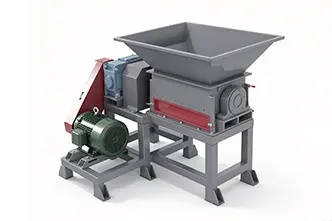
A plastic shredder or plastic crusher reduces waste into smaller pieces for easier handling and further processing. Shredders are commonly used for bulky waste, while crushers often handle smaller scraps and produce more uniform pieces depending on the machine design.
Washing and Drying
When the feedstock contains dirt, labels, oils, or other contaminants, a washing system may be necessary. Drying equipment helps control moisture before storage or downstream processing. The washing configuration should reflect the contamination level and cleanliness requirements of the final material.
Pelletizing
A plastic pelletizing machine converts suitable processed plastic into pellets that can be used as raw material in further manufacturing. The appropriate pelletizing system depends on the plastic type, feedstock consistency, moisture, contamination, and desired pellet quality.
When comparing plastic recycling plant equipment, ask the supplier to explain how each stage connects and whether the proposed configuration is suitable for your material.
4. Define the Required Output Quality
The desired end product influences machine selection. Some businesses only need plastic flakes for transport or further processing, while others need washed flakes or recycled pellets suitable for manufacturing applications.
Discuss these specifications with your plastic recycling equipment supplier:
Particle size: Define the target flake or granule size and acceptable variation.
Cleanliness: Identify the contaminants that must be removed.
Moisture content: Set the moisture requirements for storage or downstream processing.
Material consistency: Confirm whether the output must meet specific production or customer requirements.
End use: Explain whether the recycled material will be reused internally or sold to another manufacturer.
Where output specifications are critical, request a material test or sample run before finalizing the equipment configuration.
5. Compare Energy Consumption and Operating Costs
The purchase price is only one part of the total cost of a plastic recycling machine. Electricity, labor, consumable parts, cleaning, maintenance, and downtime all contribute to operating expenses.
When evaluating industrial plastic recycling machines, compare:
Installed motor power: Review the total power requirements of the equipment and supporting systems.
Actual energy use: Ask for operating estimates based on comparable materials and production conditions.
Wear parts: Check the expected service life and replacement cost of blades, screens, and other consumables.
Labor requirements: Determine how much manual feeding, sorting, cleaning, and monitoring are needed.
Water and wastewater: For washing lines, assess water consumption and wastewater treatment requirements.
Downtime: Consider cleaning frequency, maintenance access, and the availability of spare parts.
A lower initial price does not necessarily mean a lower long-term cost. Compare suppliers using similar material specifications, throughput targets, and operating assumptions.
6. Evaluate Automation, Layout, and Installation
The available factory space and required labor level can influence the type of plastic recycling equipment you choose. A compact machine may suit a small production workshop, while a continuous recycling line may be more appropriate for a high-volume operation.
Confirm the following before placing an order:
Available installation area and equipment dimensions
Electrical supply and power requirements
Material feeding and discharge arrangements
Conveyor connections and material storage space
Dust control, noise management, and safety features
Installation, commissioning, and operator training requirements
For integrated recycling lines, request a layout drawing and a clear explanation of how material moves between each processing stage.
7. Choose a Plastic Recycling Machine Manufacturer Carefully
A reliable plastic recycling machine manufacturer should be able to explain how its equipment matches your feedstock and production goals. Beyond the quotation, technical support and spare-parts availability can affect long-term production stability.
Before choosing a supplier, ask about:
Experience processing materials similar to yours
Available machine models and customization options
Documented performance data and material testing
Spare-parts availability and maintenance guidance
Installation support and operator training
Warranty terms and after-sales service arrangements
If possible, provide representative samples of your plastic waste and request a technical recommendation based on actual processing conditions. This can help reduce the risk of selecting equipment that does not meet your requirements.
8. Calculate the Total Investment and Expected Return
Before investing in plastic recycling equipment, estimate the full project cost rather than comparing machine prices alone. Depending on the project, additional costs may include conveyors, sorting equipment, washing systems, drying equipment, installation, electrical work, and wastewater treatment.
To assess the potential return, consider:
Expected daily or monthly processing volume
Value of recovered plastic material
Potential savings from reusing production scrap
Electricity, labor, maintenance, and consumable costs
Installation expenses and expected equipment utilization
Use realistic assumptions for material recovery rates, operating hours, and selling prices. A clear cost model makes it easier to compare equipment options and assess whether the proposed investment fits your business objectives.
Plastic Recycling Machine Selection Checklist
| Selection Factor | Questions to Ask |
|---|---|
| Material type | What plastic resin, dimensions, and contamination levels will be processed? |
| Capacity | What hourly throughput is required under actual operating conditions? |
| Processing stages | Are shredding, crushing, washing, drying, or pelletizing required? |
| Output quality | What particle size, cleanliness, and moisture level are needed? |
| Operating cost | What are the expected energy, labor, maintenance, and consumable costs? |
| Supplier support | Are testing, installation guidance, spare parts, and technical support available? |
Frequently Asked Questions
Q1: How do I choose the right plastic recycling machine?
Start with your plastic type, material dimensions, processing volume, and required output. Then compare machine configurations, operating costs, installation requirements, and supplier support.
Q2: What capacity should a plastic recycling machine have?
The required capacity depends on daily material volume, available operating hours, and the throughput of downstream equipment. Ask suppliers to estimate practical output for your specific feedstock.
Q3: Do all plastic recycling projects need washing equipment?
No. Clean production scrap may not require washing, while post-consumer plastic waste often needs cleaning and separation. The process depends on contamination and the final product requirements.
Q4: Should I purchase a complete plastic recycling line or individual machines?
A complete line may simplify process integration for projects with multiple stages. Individual machines may be suitable for businesses that only need to upgrade one part of an existing operation.
Q5: What information should I provide when requesting a quotation?
Provide the plastic type, material photos or samples, approximate dimensions, daily processing volume, desired output, available factory space, and any washing or pelletizing requirements. This helps the supplier recommend a more suitable configuration.
Find the Right Plastic Recycling Solution for Your Business
Tell us about your plastic materials, target capacity, and output requirements. Get support in evaluating suitable plastic recycling equipment for your production needs.
Contact Our Team