 English


News


How to Choose the Right Separation Machine for Your Application?
2026-07-30 15:03:42
In modern manufacturing and recycling industries, Separation Machines play a crucial role in improving production efficiency, reducing waste, and enhancing material purity. Whether you are processing plastics, metals, minerals, food products, or wastewater, selecting the right Separation Machine can significantly impact product quality and operational costs.
However, with so many separation technologies available—including gravity separators, air separators, Magnetic Separators, electrostatic separators, and centrifugal separation systems—it can be difficult to determine which solution best fits your production requirements.
This guide explains the key factors to consider when choosing the right Separation Machine, helping businesses make informed purchasing decisions while maximizing productivity and return on investment.
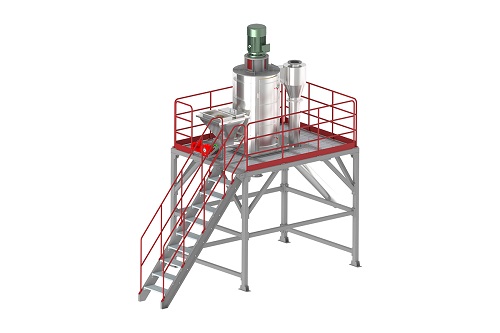
What Is a Separation Machine?
A separation machine is industrial equipment designed to separate different materials based on their physical properties, such as density, size, weight, magnetic characteristics, electrical conductivity, or airflow behavior.
The primary goal of a separation machine is to improve material purity, recover valuable resources, and reduce production waste.
Depending on the industry, separation machines can process:
Plastic flakes
Metal particles
Minerals and ores
Food ingredients
Wastewater solids
Electronic waste
Agricultural products
Today, industrial separation machines are widely used in recycling plants, mining operations, manufacturing facilities, and environmental protection projects.
Why Choosing the Right Separation Machine Matters
Selecting the correct equipment offers several important advantages.
Improve Product Quality
Accurate material separation increases product purity and reduces contamination, helping manufacturers meet higher quality standards.
Increase Production Efficiency
An efficient separation machine processes larger volumes of material while reducing manual sorting and production downtime.
Reduce Operating Costs
Properly selected equipment minimizes energy consumption, maintenance expenses, and material losses over time.
Support Sustainable Manufacturing
By recovering reusable materials and reducing waste, separation machines contribute to environmentally friendly production and circular economy initiatives.
Key Factors to Consider When Choosing a Separation Machine
1. Identify the Material to Be Processed
The first step is understanding what materials require separation.
Ask questions such as:
Are the materials plastic, metal, mineral, or organic?
What is the particle size?
Are materials wet or dry?
Do materials have different densities or magnetic properties?
Different separation technologies are suitable for different materials.
For example:
Plastic recycling often uses air separation and sink-float separation.
Metal recycling commonly uses magnetic or eddy current separation.
Mining frequently relies on gravity or magnetic separation.
2. Understand the Separation Principle
Different machines operate using different separation methods.
Gravity Separation
Separates materials according to density differences.
Suitable for:
Minerals
Sand
Plastic recycling
Magnetic Separation
Uses magnetic force to separate ferrous metals from non-magnetic materials.
Applications include:
Scrap metal recycling
Mining
Electronic waste recycling
Air Separation
Uses airflow to separate lightweight and heavy materials.
Commonly used for:
Plastic flakes
Packaging waste
Biomass processing
Electrostatic Separation
Separates materials based on electrical conductivity.
Widely used for:
Cable recycling
Metal recovery
Electronic waste processing
Centrifugal Separation
Uses centrifugal force to separate liquids and solids or materials with different densities.
Suitable for:
Chemical processing
Food production
Wastewater treatment
Understanding the working principle helps businesses select the most effective equipment for their specific application.
3. Consider Processing Capacity
Production capacity directly affects equipment selection.
Important factors include:
Hourly throughput
Daily production volume
Future expansion plans
Purchasing equipment with insufficient capacity may create production bottlenecks, while oversized equipment may increase unnecessary investment.
Choose a machine that matches both current production needs and future business growth.
4. Evaluate Separation Accuracy
The effectiveness of a separation machine depends largely on its separation accuracy.
Higher accuracy means:
Better material purity
Less waste
Higher product value
Improved customer satisfaction
When comparing equipment, ask suppliers about:
Separation efficiency
Recovery rate
Purity level
Material loss percentage
5. Check Material Compatibility
Not every separation machine is suitable for every material.
Consider:
Material hardness
Moisture content
Particle shape
Abrasiveness
Corrosive properties
Choosing equipment designed for your material reduces wear and improves long-term reliability.
6. Energy Efficiency
Energy costs are an important part of equipment operation.
Modern industrial separation machines often feature:
High-efficiency motors
Intelligent control systems
Optimized airflow
Variable frequency drives (VFD)
Energy-efficient machines help reduce operating costs while supporting sustainability goals.
7. Maintenance Requirements
Maintenance directly influences production uptime.
Look for equipment that offers:
Easy access for cleaning
Replaceable wear parts
Durable construction
Simple maintenance procedures
Reliable equipment reduces unexpected downtime and extends service life.
8. Automation and Smart Control
Many modern separation machines include automation features such as:
PLC control systems
Touchscreen operation
Automatic monitoring
Real-time performance data
Fault diagnosis
Automation improves operational efficiency and reduces labor requirements.
Industrial Applications of Separation Machines
Plastic Recycling
Separation machines remove contaminants from recycled plastics, improving material quality for reuse.
Common applications include:
PET recycling
PP recycling
PE recycling
PVC recycling
Mining Industry
Mining operations use separation machines to recover valuable minerals from ore while reducing waste.
Metal Recycling
Magnetic and eddy current separation systems recover valuable ferrous and non-ferrous metals from scrap materials.
Food Processing
Food manufacturers use separation equipment to remove impurities and improve product consistency.
Applications include:
Grain cleaning
Seed processing
Sugar production
Wastewater Treatment
Separation systems help remove suspended solids and improve water quality before discharge or reuse.
How to Choose a Reliable Separation Machine Manufacturer?
Selecting the right supplier is just as important as selecting the right equipment.
A professional separation machine manufacturer should provide:
Strong Manufacturing Capability
Look for suppliers with:
Modern production facilities
Advanced manufacturing equipment
Experienced engineering teams
Quality Control
Reliable manufacturers should perform:
Material inspection
Performance testing
Factory acceptance tests
Quality certification
Customization Services
Every production line has unique requirements.
A qualified manufacturer should offer:
Customized machine designs
Flexible processing capacity
Special material handling solutions
OEM and ODM services
Technical Support
Professional suppliers provide:
Installation guidance
Operator training
Spare parts support
After-sales service
Remote technical assistance
Common Mistakes When Choosing a Separation Machine
Avoid these common purchasing mistakes:
Choosing equipment based only on price
Ignoring future production expansion
Overlooking maintenance requirements
Selecting equipment without testing actual materials
Working with inexperienced suppliers
A careful evaluation helps reduce long-term operating costs and improves production efficiency.
FAQ
Q1: What is the best separation machine for plastic recycling?
The best machine depends on the type of plastic being processed. Air separators, sink-float separation systems, and electrostatic separators are commonly used in plastic recycling.
Q2: How do I determine the required processing capacity?
Estimate your hourly production volume, future expansion plans, and operating schedule before selecting equipment.
Q3: Can separation machines be customized?
Yes. Professional manufacturers can customize processing capacity, separation methods, machine dimensions, and automation systems according to customer requirements.
Q4: Which industries commonly use separation machines?
Separation machines are widely used in recycling, mining, food processing, chemical production, wastewater treatment, and manufacturing industries.
Q5: Why is choosing the right separation machine manufacturer important?
An experienced manufacturer provides reliable equipment, engineering support, quality control, customization services, and long-term technical assistance.
Conclusion
Choosing the right separation machine requires careful consideration of material characteristics, separation technology, production capacity, accuracy, energy efficiency, maintenance requirements, and supplier expertise. The right equipment not only improves material recovery and product quality but also reduces operating costs and supports sustainable manufacturing practices.
Whether you operate in plastic recycling, mining, food processing, or industrial manufacturing, partnering with an experienced separation machine manufacturer ensures access to high-quality equipment and customized solutions that meet your production goals. Investing in the right separation technology today will help improve efficiency, profitability, and long-term business success.
Previous:
What Is a Separation Machine and How Does It Work?
2026-07-30
Next:
How to Choose the Right Hammer Crusher for Your Application
2026-07-24
