 English


News


What Is a Separation Machine and How Does It Work?
2026-07-30 15:21:47
In modern industrial production, efficient material processing has become increasingly important. From plastic recycling and mining to food processing and waste management, companies need reliable solutions to separate different materials and improve resource utilization. This is where a Separation Machine plays a critical role.
A Separation Machine is industrial equipment designed to separate materials based on differences in physical properties such as density, size, weight, magnetic characteristics, conductivity, or other material features. By improving separation efficiency, these machines help businesses increase product purity, reduce waste, and optimize production processes.
This article explains what a Separation Machine is, how it works, the main types available, key applications, and how industries benefit from using advanced separation equipment.
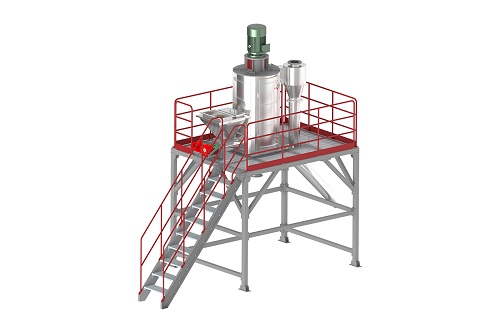
What Is a separation machine?
A separation machine is a type of industrial processing equipment used to divide mixed materials into different categories according to their physical or chemical properties.
During manufacturing or recycling processes, raw materials often contain unwanted substances or mixed components. A separation machine removes these impurities and separates valuable materials for further processing or reuse.
Common materials processed by industrial separation machines include:
Plastic materials
Metal particles
Mineral ores
Electronic waste
Food products
Agricultural materials
Industrial waste
Wastewater solids
Unlike manual sorting methods, automated separation systems provide faster processing speeds, higher accuracy, and more consistent results.
Why Are Separation Machines Important?
As industries move toward automation and sustainable production, separation equipment has become an essential part of many production lines.
Improve Material Purity
One of the main purposes of a separation machine is removing unwanted materials and improving the quality of final products.
For example:
Plastic recycling plants use separation systems to remove contaminants from plastic flakes.
Mining operations separate valuable minerals from unwanted materials.
Food processing plants remove foreign particles to maintain product safety.
Higher purity materials usually have greater commercial value.
Increase Production Efficiency
Traditional manual sorting requires significant labor and time.
A modern automatic separation machine can process large volumes of materials continuously, helping companies:
Reduce labor costs
Increase production capacity
Maintain stable output quality
Reduce Material Waste
Effective separation allows manufacturers to recover valuable resources that would otherwise be discarded.
This is especially important in:
Recycling industries
Waste treatment facilities
Circular economy projects
How Does a Separation Machine Work?
The working principle of a separation machine depends on the type of technology being used. Different machines separate materials based on different physical characteristics.
The basic process usually includes:
Material feeding
Material identification or classification
Separation operation
Collection of separated materials
1. Material Feeding System
The first stage involves introducing mixed materials into the machine.
Depending on the application, materials may enter through:
Conveyor systems
Feeding hoppers
Vibrating feeders
Pumps
A stable feeding process ensures consistent separation performance.
2. Material Classification
After entering the machine, materials are classified according to their physical differences.
Common separation factors include:
Density
Size
Weight
Magnetic properties
Electrical conductivity
Surface characteristics
The machine identifies these differences and directs materials into different processing paths.
3. Separation Process
Different separation technologies use different methods.
Gravity Separation Machine
A gravity separation machine separates materials based on density differences.
Heavier materials move differently from lighter materials under gravity forces.
Common applications:
Mineral processing
Plastic recycling
Agricultural product sorting
Advantages:
Simple structure
Low operating cost
Environmentally friendly
Magnetic Separation Machine
A magnetic separation machine uses magnetic force to separate magnetic materials from non-magnetic materials.
Typical applications include:
Metal recycling
Mining
Scrap processing
It is commonly used to remove:
Iron particles
Steel materials
Magnetic contaminants
Air Separation Machine
Air separation technology uses airflow to separate materials with different weights.
Light materials are carried away by air, while heavier materials remain.
Common applications:
Plastic recycling
Waste sorting
Packaging material processing
Benefits:
High efficiency
Low material damage
Continuous operation
Centrifugal Separation Machine
A centrifugal separation machine uses rotating force to separate materials with different densities.
It is widely used in:
Chemical processing
Food production
Wastewater treatment
Advantages:
Fast separation speed
High processing efficiency
Suitable for liquid-solid separation
Electrostatic Separation Machine
Electrostatic separation uses differences in electrical conductivity to separate materials.
Applications include:
Cable recycling
Electronic waste processing
Mineral recovery
Main Types of Separation Machines
Different industries require different separation solutions.
Plastic Separation Machine
A plastic separation machine is designed to separate different plastic materials or remove contaminants during recycling.
Applications:
PET recycling
PP recycling
PE recycling
Plastic film processing
Benefits:
Improved recycled material quality
Reduced waste
Higher recycling efficiency
Metal Separation Machine
Metal separation equipment is commonly used to recover valuable metals.
Applications:
Scrap recycling
Automotive recycling
Electronic waste recycling
Common technologies:
Magnetic separation
Eddy current separation
Solid-Liquid Separation Machine
These machines separate solid particles from liquids.
Applications:
Wastewater treatment
Chemical industries
Food processing
Benefits:
Improved filtration efficiency
Reduced environmental impact
Mineral Separation Machine
Mining industries use mineral separation equipment to extract valuable resources from raw materials.
Applications include:
Gold processing
Coal separation
Ore concentration
Applications of Separation Machines
Plastic Recycling Industry
Plastic recycling is one of the largest application areas.
Separation machines help remove:
Labels
Metals
Different plastic types
Foreign materials
This improves recycled plastic quality and increases reuse value.
Mining Industry
Mining companies use separation equipment to separate valuable minerals from unwanted materials.
Benefits include:
Higher recovery rates
Reduced waste
Improved resource utilization
Food Processing Industry
Food manufacturers use separation machines for:
Grain cleaning
Seed sorting
Foreign object removal
This helps improve food safety and product consistency.
Waste Management
Waste separation systems support modern waste treatment facilities by separating recyclable materials from general waste.
Applications:
Municipal waste sorting
Industrial waste processing
Resource recovery
Advantages of Using Industrial Separation Machines
Higher Accuracy
Automated systems provide more consistent separation results compared with manual sorting.
Lower Labor Requirements
Automation reduces dependence on manual operations and improves productivity.
Better Resource Recovery
Effective separation increases the amount of reusable material recovered.
Improved Production Stability
Reliable equipment helps maintain continuous industrial operations.
How to Choose the Right Separation Machine?
When selecting a separation machine, companies should consider:
Material Characteristics
Understand:
Material type
Size distribution
Moisture content
Density differences
Processing Capacity
Evaluate:
Required output per hour
Production scale
Future expansion requirements
Separation Accuracy
Consider:
Required purity level
Recovery rate
Product quality standards
Operating Cost
Evaluate:
Energy consumption
Maintenance requirements
Spare parts availability
Manufacturer Experience
A reliable separation machine manufacturer should provide:
Technical support
Customized solutions
Quality testing
After-sales service
FAQ
Q1: What is a separation machine used for?
A separation machine is used to separate mixed materials based on differences in physical properties such as density, size, weight, magnetic characteristics, or conductivity.
Q2: How does a separation machine work?
A separation machine works by feeding mixed materials into the system, identifying material differences, and separating them using methods such as gravity, airflow, magnetic force, or centrifugal force.
Q3: What industries use separation machines?
Separation machines are widely used in recycling, mining, food processing, wastewater treatment, chemical production, and manufacturing industries.
Q4: Can separation machines be customized?
Yes. Professional manufacturers can customize separation equipment based on material type, processing capacity, and production requirements.
Q5: What is the difference between a separation machine and a sorting machine?
A separation machine focuses on dividing materials based on physical properties, while sorting machines often rely on identification technologies such as sensors or cameras.
Conclusion
A separation machine is an essential piece of industrial equipment that helps businesses improve material recovery, production efficiency, and product quality. By using different separation principles such as gravity, magnetic force, airflow, and centrifugal force, these machines can process a wide range of materials across multiple industries.
From plastic recycling and mining to food processing and waste management, choosing the right industrial separation machine can significantly improve operational performance and reduce long-term costs.
For companies looking for reliable separation solutions, working with an experienced separation machine manufacturer ensures access to high-quality equipment, customized designs, and professional technical support.
Previous:
Single Shaft Plastic Shredder: Efficient Solution for Plastic Recycling and Waste Reduction
2026-08-08
Next:
How to Choose the Right Separation Machine for Your Application?
2026-07-30
