 English




plastic recycling involves different processes for recovering plastic waste and converting it into reusable materials, recycled products, or chemical feedstocks. There is no single globally standardized list of exactly seven recycling types, but common recycling approaches can be grouped into mechanical recycling, dissolution, depolymerization, pyrolysis, gasification, solvent-based purification, and biological recycling.
Among these approaches, mechanical recycling remains the predominant method for many conventional plastic waste streams. Advanced chemical and thermal processes can provide additional options for plastics that are difficult to process through traditional mechanical recycling.
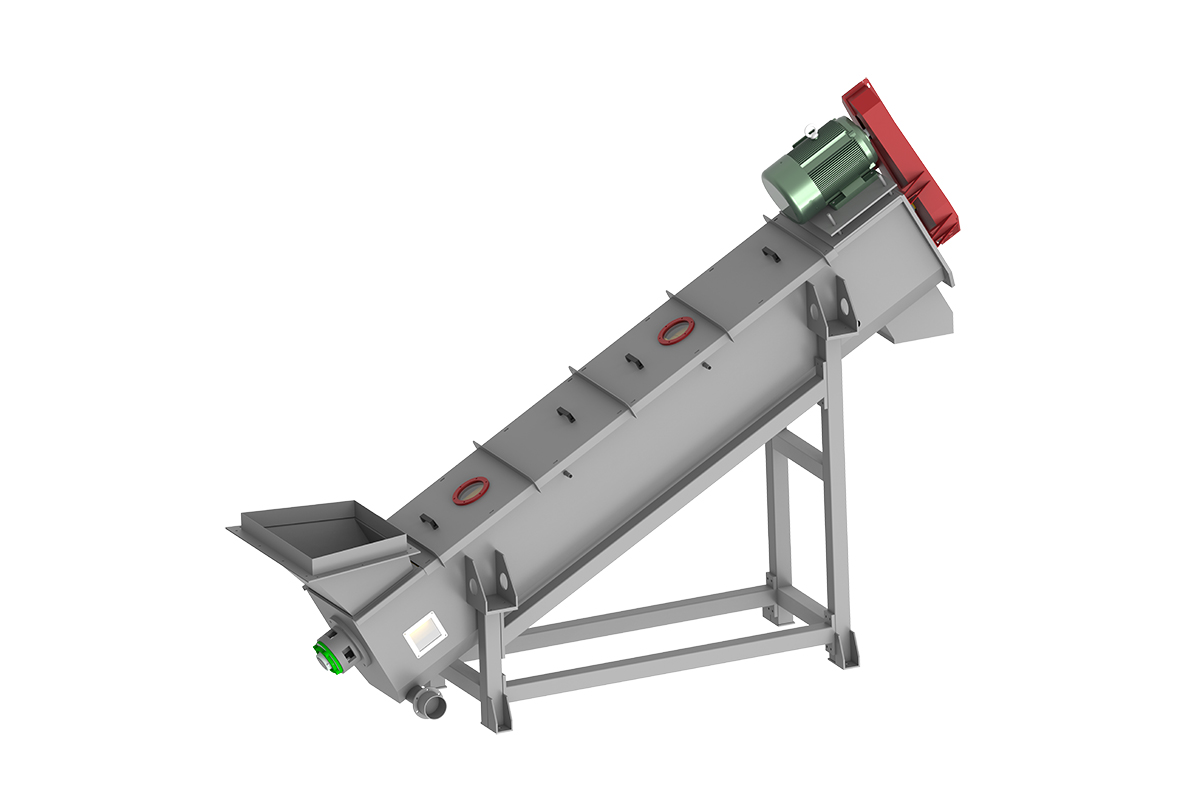
1. Mechanical Recycling
Mechanical recycling processes plastic waste through physical operations without intentionally changing the basic chemical structure of the polymer.
A typical mechanical recycling process includes sorting, shredding or grinding, washing, drying, extrusion, melt filtration, and pelletizing. The recycled material can be produced as plastic flakes or pellets for use in new manufacturing processes.
Mechanical recycling is commonly used for suitable PET, HDPE, PP, PE, and other thermoplastic waste streams. The quality of the output depends strongly on polymer separation, contamination levels, and the condition of the incoming material.
2. Dissolution Recycling
Dissolution recycling uses a suitable solvent to dissolve a target polymer while separating it from selected contaminants, additives, or other materials.
The polymer can then be recovered from the solution and processed into a reusable material. Unlike depolymerization, dissolution does not necessarily break the polymer into its original chemical building blocks.
This approach can be considered when conventional mechanical separation cannot provide the required level of polymer purity.
3. Depolymerization
Depolymerization uses chemical processes to break polymer chains into smaller molecules, monomers, or other chemical building blocks.
The recovered chemical components can potentially be used to produce new polymers. The specific process depends on the type of plastic and may involve different temperatures, pressures, solvents, catalysts, or reaction conditions.
Depolymerization is particularly relevant to polymers whose chemical structures allow them to be converted back into useful chemical feedstocks.
4. Pyrolysis
Pyrolysis is a thermal conversion process in which plastic waste is heated under conditions with little or no oxygen.
Instead of simply melting the plastic, pyrolysis breaks polymer chains into smaller hydrocarbon compounds. Depending on the feedstock and process conditions, the output can include pyrolysis oil, gases, and other carbon-containing products.
Pyrolysis can be considered for certain plastic waste streams that are difficult to process through conventional mechanical recycling.
5. Gasification
Gasification uses controlled high-temperature conditions to convert carbon-containing plastic waste into a gas mixture, commonly known as syngas.
The resulting gas can be further processed into chemicals, fuels, or other industrial feedstocks depending on the technology and application.
Unlike mechanical recycling, gasification does not preserve the original polymer structure of the plastic.
6. Solvent-Based Purification
Solvent-based purification uses selective dissolution and separation to recover a polymer while removing unwanted materials.
The objective is to obtain a cleaner polymer material without necessarily completely breaking down its chemical structure.
This type of process may be useful for plastic waste where contamination, additives, or mixed materials make conventional mechanical recycling more difficult.
7. Biological Recycling
Biological recycling uses biological agents such as microorganisms or enzymes to break down certain plastics or their chemical components.
This technology is still developing and is not as widely established as conventional mechanical recycling. Current research focuses on identifying biological processes that can efficiently break down suitable polymers and recover useful chemical building blocks.
Because different plastics have different chemical structures, biological recycling is generally applicable only to selected materials rather than all plastic waste.
How Are the Different plastic recycling Methods Different?
Mechanical recycling: physically processes plastic into flakes, regrind, or pellets.
Dissolution recycling: selectively dissolves a polymer for separation and recovery.
Depolymerization: chemically breaks polymers into smaller chemical building blocks.
Pyrolysis: thermally converts plastic into smaller hydrocarbon products.
Gasification: converts carbon-containing plastic waste into syngas and related products.
Solvent-based purification: separates and purifies polymers using selective solvents.
Biological recycling: uses biological processes to break down selected plastic materials.
Which Plastic Recycling Method Is Most Common?
For many conventional plastic recycling operations, mechanical recycling is the primary approach. It typically involves sorting, cleaning, size reduction, drying, melting, filtration, and pelletizing.
The quality of the incoming plastic waste has a major effect on the final recycled material. Clean and well-sorted plastic is generally easier to process than heavily contaminated or mixed plastic waste.
How Do You Choose a plastic recycling process?
The appropriate recycling method depends on the characteristics of the waste and the desired recycled output.
Plastic type and polymer composition
Waste material form
Contamination level
Moisture content
Whether different polymers are mixed
Required recycled material quality
Production capacity
Target output, such as flakes, pellets, or chemical feedstock
Available processing technology
Operating and maintenance requirements
Conclusion
Plastic recycling includes several different approaches, and no single technology is suitable for every type of plastic waste. Mechanical recycling, dissolution, depolymerization, pyrolysis, gasification, solvent-based purification, and biological recycling each have different applications and processing requirements.
For most mechanical plastic recycling projects, the process starts with suitable sorting and size reduction, followed by cleaning, drying, extrusion, filtration, and pelletizing. The right process should always be selected according to the plastic material, contamination level, required capacity, and final product requirements.
