 English




Choosing the right Plastic Washing Line is an important decision for any plastic recycling plant. The equipment configuration affects cleaning efficiency, processing capacity, water and energy consumption, maintenance requirements, and the quality of the recovered plastic.
However, there is no single washing line suitable for every recycling project. A system designed for PET bottles may not be appropriate for heavily contaminated PE film or mixed rigid plastic waste. Buyers should evaluate their feedstock and production objectives before comparing equipment specifications or requesting quotations.
1. Identify the Type of Plastic You Need to Process
The first step is to determine the type of plastic your plant will process. Different materials have different physical properties and contamination characteristics, which directly influence the washing process.
PET bottles: Often require bottle crushing, label and cap separation, washing, density separation, rinsing, and drying.
PP and PE rigid plastics: May require size reduction, friction washing, float-sink separation, and dewatering.
PE plastic film: Lightweight film can retain dirt and moisture and may require specialized feeding, washing, squeezing, or drying equipment.
Mixed plastic waste: May need more extensive sorting and separation before intensive washing.
Before selecting a plastic wash line, provide the supplier with representative material samples, plastic types, and details about the source of the waste. This information helps determine whether additional sorting or pre-treatment equipment is necessary.
2. Evaluate the Contamination Level
Two recycling plants processing the same plastic type may require different washing configurations because their incoming materials are not equally contaminated.
Consider whether the feedstock contains sand, soil, oil, grease, paper labels, adhesives, food residues, or other foreign materials. Lightly contaminated plastic may need only mechanical washing and rinsing, while heavily contaminated material may require pre-washing, hot washing, or additional separation stages.
It is also important to define the desired output quality. Rather than simply asking for a high cleaning rate, buyers should specify the contaminants that need to be removed and the quality requirements of the downstream process.
3. Match the Line Capacity to Your Production Target
Processing capacity is one of the most important considerations when purchasing a plastic washing line. Suppliers may quote capacity in kilograms per hour or tonnes per hour, but the actual output depends on material type, contamination, moisture, and equipment configuration.
When comparing capacity specifications, ask whether the quoted figure represents the rated feed capacity or the expected throughput under your operating conditions. A line's effective output may be lower when handling wet, heavily contaminated, or difficult-to-feed materials.
It is also important to check the capacity of each machine in the system. A high-capacity crusher cannot compensate for an undersized washing tank or drying unit. The complete line should be balanced to maintain stable material flow.
4. Choose the Appropriate Washing Technology
Different washing technologies serve different purposes. Selecting the right combination helps achieve the required cleaning performance without adding unnecessary equipment or operating costs.
| Washing Technology | Typical Purpose | Selection Consideration |
|---|---|---|
| Cold Washing | Removes loose dirt and many surface contaminants. | Suitable when the feedstock does not require intensive heated cleaning. |
| Hot Washing | Helps remove oil, grease, adhesives, and stubborn residues. | Consider heating energy, cleaning agents, and wastewater treatment. |
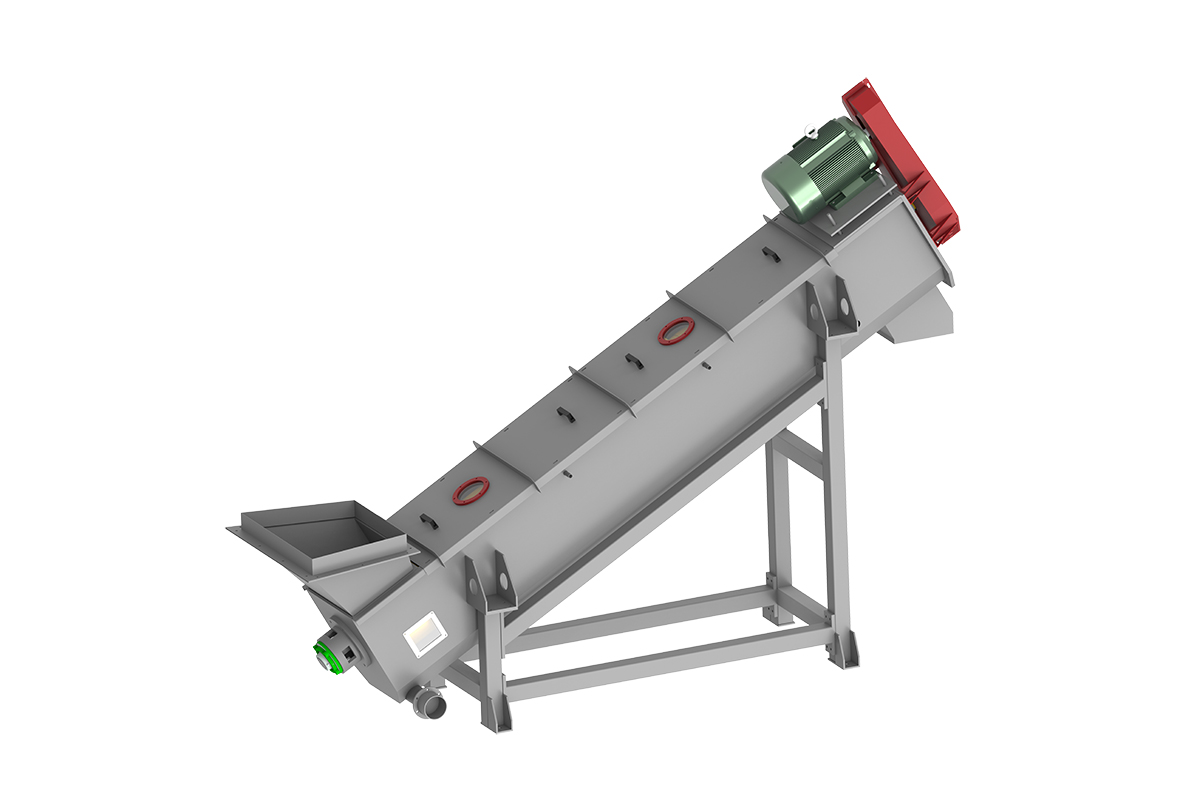
| Friction Washing | Uses mechanical action to loosen contaminants from plastic surfaces. | Match the washing intensity to the material and contamination level. |
| Float-Sink Separation | Separates certain plastics and contaminants based on density. | Confirm that the materials have suitable density differences. |
| Mechanical Dewatering | Removes water after washing. | Evaluate the required moisture level and the material's physical properties. |
These technologies can be combined in different ways. A supplier should recommend the process based on actual feedstock conditions and the required quality of the washed output.
5. Consider Water and Energy Consumption
Water and energy use can significantly affect the long-term operating cost of a plastic washing plant. Buyers should evaluate these factors alongside the initial equipment investment.
Ask suppliers about water consumption, heating requirements, installed motor power, and the possibility of recirculating process water. A filtration and water treatment system may help reduce fresh water demand, although the achievable savings depend on contamination levels and local operating conditions.
For hot washing systems, confirm the heating method and the expected energy requirements under normal production conditions. Comparing these details provides a more realistic picture of operating costs.
6. Check the Drying and Final Output Requirements
Washing is only one part of the recycling process. After cleaning, plastic generally needs to be dewatered and sometimes dried further before storage or subsequent processing.
The appropriate drying system depends on the plastic type and the required final moisture level. Plastic films, for example, may require different drying equipment from rigid plastic flakes because of their shape and tendency to retain water.
If the washed plastic will enter an extrusion and pelletizing line, discuss the moisture requirements with the downstream equipment supplier. The washing and drying stages should be designed as part of one integrated process.
7. Evaluate Factory Layout and Installation Space
A plastic washing line may include multiple machines, conveyors, water tanks, pumps, pipes, electrical controls, and maintenance access areas. Before ordering equipment, confirm that the proposed layout fits the available factory space.
Review the overall line length and width, equipment height, feeding and discharge positions, floor loading, drainage, water supply, and electrical requirements. Adequate space for cleaning and maintenance can also improve operating convenience.
For a new recycling plant, it is useful to prepare a site layout before finalizing the equipment configuration. For an existing facility, the supplier should understand the current building restrictions and material handling routes.
8. Compare Maintenance Requirements and Spare Parts Support
Reliable operation depends on more than the initial equipment purchase. Wear parts, bearings, blades, screens, pumps, and other components may require regular inspection or replacement, depending on the equipment design and operating conditions.
When comparing suppliers, ask about routine maintenance intervals, access to wear parts, troubleshooting support, installation guidance, and operator training. A clear maintenance plan can help reduce unplanned downtime.
It is also worth confirming which spare parts are included in the quotation and which need to be purchased separately.
9. Assess the Supplier's Customization and Project Support
Plastic recycling projects often differ in feedstock composition, target capacity, site conditions, and output quality. A suitable supplier should be able to explain why a particular process configuration is recommended and how the machines work together.
Before placing an order, discuss the following points:
Whether the equipment is designed for your specific plastic material.
Expected throughput under the agreed operating conditions.
Proposed washing, separation, and drying process.
Installation layout and utility requirements.
Electrical controls, safety features, and operating instructions.
Commissioning, training, warranty, and after-sales support.
Where possible, provide material samples or arrange a material test before finalizing the equipment specification. This can help identify potential processing issues early in the project.
Plastic Washing Line Selection Checklist
| Item | Questions to Confirm |
|---|---|
| Feedstock | What plastic types, sizes, and contamination levels will be processed? |
| Capacity | What is the target throughput under actual operating conditions? |
| Cleaning Quality | Which contaminants must be removed, and what output quality is required? |
| Process Configuration | Are sorting, hot washing, friction washing, separation, and drying necessary? |
| Utilities | What are the water, electricity, heating, and drainage requirements? |
| Installation | Does the line fit the factory layout and available maintenance space? |
| Service | Are spare parts, technical support, and commissioning services available? |
FAQ About Choosing a Plastic Washing Line
What is the most important factor when choosing a plastic washing line?
The plastic type and contamination level are the starting points because they determine the required washing process. Capacity, output quality, utilities, installation space, and operating costs should then be evaluated together.
Can one plastic washing line process different types of plastic?
Some systems can process different materials with suitable adjustments, but not every line can handle all plastic types efficiently. PET bottles, PP rigid plastics, and PE films may require different feeding, separation, washing, and drying arrangements.
How do I compare plastic washing line suppliers?
Compare the proposed process configuration, realistic throughput, output quality, energy and water requirements, equipment specifications, maintenance needs, and technical support. Evaluate the complete system rather than comparing purchase prices alone.
Should I choose a hot washing or cold washing line?
The decision depends on the contamination level and required output quality. Cold washing may be sufficient for some materials, while hot washing can help remove stubborn oil, grease, or adhesive residues. Additional heating and wastewater treatment costs should also be considered.
Find the Right Plastic Washing Line for Your Project
A suitable plastic washing line should match your raw materials, target capacity, cleaning requirements, available factory space, and operating budget. Careful planning helps avoid unnecessary equipment costs and reduces the risk of bottlenecks during production.
When requesting a quotation, provide the supplier with your plastic type, feedstock condition, target capacity, desired output quality, and installation requirements. These details make it easier to recommend a practical and efficient plastic recycling solution.
Contact our team to discuss your project requirements and explore a plastic washing line configuration tailored to your recycling operation.
